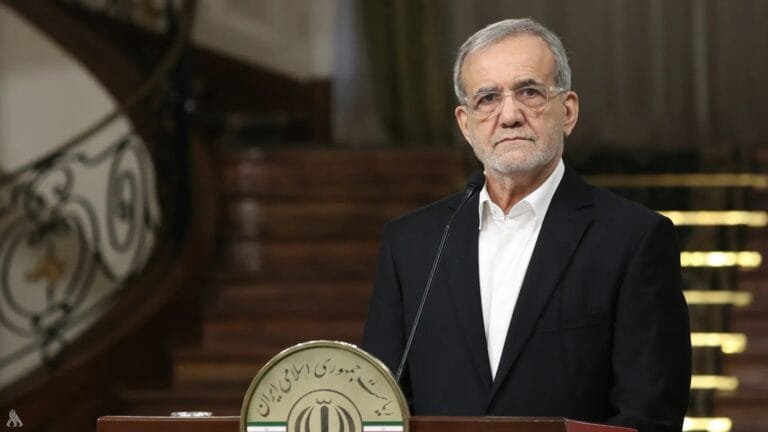
Tehran, Iran – Iranian President Masoud Pezeshkian attributed the surge in prices and the high cost of living in the country to several key factors, most notably increased import costs and a sharp decline in oil revenues. He also cited the extensive damage inflicted on a number of factories and production facilities by recent attacks.
The impact of long import routes on prices
President Pezeshkian, during a meeting with party secretaries and political activists, stated that “rising prices have become normal under the current circumstances.” He explained that goods previously imported via direct and shorter routes are now forced to travel through much longer, alternative paths. This has directly inflated their final cost for the consumer. Pezeshkian added that government revenues have declined significantly due to Tehran’s inability to sell and export oil at previous levels and volumes. Consequently, this has cast a heavy shadow on the country’s overall economic and financial situation and exacerbated the budget deficit.
Factories were damaged and tax revenues declined.
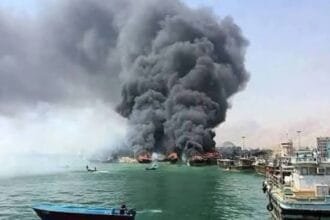
In the same vein, the Iranian president pointed out that the industrial sector has suffered significant blows, with a number of factories sustaining substantial material damage during the recent attacks. He explained that, given these difficult circumstances, the government is unable to collect taxes from these affected facilities. Instead, it is compelled to provide them with emergency financial aid packages to ensure their continued operation and prevent shutdowns. Pezeshkian’s candid remarks come at a highly sensitive time, as Iran faces unprecedented and escalating economic pressures. This coincides with the continued rise in supply chain and import costs, and the decline in vital oil revenues. Furthermore, various productive sectors have been impacted by the unrest and recurring security attacks.