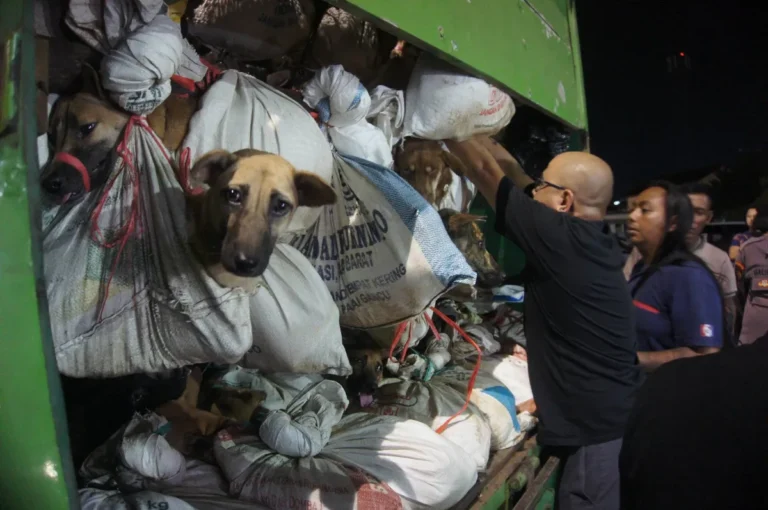
Seoul, South Korea – South Korea is preparing to turn the page on a controversial decades-long issue and move towards a complete and final end to the dog meat trade in 2027. This comes amid a sharp and significant decline in societal demand, in addition to a radical change in the new generations’ view of raising dogs and consuming their meat, which was traditionally associated with the hot summer seasons.
The famous “Moran” market bids farewell to the traditions of the past
In the summer of 2026, the last summer before the comprehensive ban took legal effect, the dog meat trade looked drastically different from what it had been in previous decades. This was especially true in the famous Moran Market in Seongnam, long considered one of the country’s main hubs for the dog meat trade. The market witnessed a significant and noticeable decline, with most shops and restaurants specializing in the trade closing permanently. Other establishments shifted their focus to offering alternative dishes, most notably black goat stew. Only a very small number of elderly people continued to frequent these places, seeking dishes that held a special place in their collective memory.
Law 2024 and the transitional period for ending the sector
This structural shift culminates a long process of gradual change in consumption patterns, driven by increased awareness of animal rights and evolving social attitudes. Recent polls indicate that over 90% of South Koreans have no intention of ever consuming dog meat. The South Korean parliament settled the legal debate in January 2024 by passing a decisive law that completely prohibits the breeding, slaughter, and distribution and trade of dog meat for human consumption. It also granted those working in the sector a three-year grace period to wind down their businesses and close their establishments before the ban’s full implementation. This law affected thousands of businesses connected to the trade, encompassing more than 5,600 establishments, including farms, restaurants, and retail outlets.
Mixed feelings and a vision for the future of animal protection
Although the ban enjoys widespread public support in South Korea, its repeal evokes mixed feelings among the Korean public. While a large segment sees it as a progressive step reflecting societal advancement and strengthening animal welfare standards, another group views it nostalgically as part of an ancient tradition that is now nearing extinction.