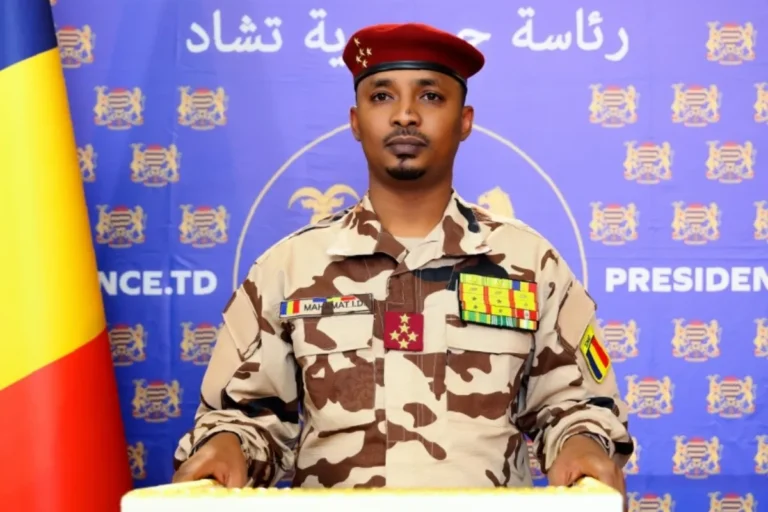
N’Djamena, Chad – The Chadian government has called for calm and restraint following President Mahamadou Idriss Déby Itno’s presidential pardon of a number of political prisoners and other detainees. This move is an attempt to promote national reconciliation and ease political tensions in the country. The government emphasized that the pardon is a gesture of tolerance and could help overcome a period of tension and open a new chapter based on stability, peace, and consensus among the various political and social forces.
The authorities emphasized that nation-building is a shared responsibility, not the sole responsibility of any one party, group, or individual. Therefore, they called on all political forces to view the amnesty as an opportunity to strengthen dialogue and prioritize the national interest. The decision comes amidst political, economic, and social challenges facing Chad. This makes achieving internal stability a priority for the government, especially given the need to focus on development and improving basic services. The release of a number of political prisoners is seen as a step that could help ease tensions. It creates a more conducive environment for dialogue between the government, the opposition, and various political forces.
The government called for avoiding escalation and disputes, stressing that the next phase requires greater calm and responsibility. It also requires collaborative efforts to address issues affecting citizens’ lives. Authorities are also banking on the amnesty decree to strengthen social cohesion and pave the way for a more stable political period, rather than perpetuating polarization and discord.
Observers believe the success of this step will depend on the measures taken in the next phase and the willingness of political parties to build upon the amnesty and transform it into a broader path for reconciliation and dialogue. Chad faces numerous challenges, including economic and social conditions and security pressures within a turbulent regional environment. All of this underscores the need to maintain stability and unify internal efforts. The government hopes the amnesty will mark the beginning of a new era in which political tensions subside. Meanwhile, attention remains focused on the ability of the various parties to leverage this step to build a broader national consensus.