Moscow, Russia – The International Energy Agency (IEA) has revealed a striking economic paradox in the performance of Russia’s energy sector during April, with revenues registering a record jump, the highest in two and a half years. This occurred despite a decline in production and an escalation of Ukrainian drone attacks on oil infrastructure.
Production declined under pressure from the marches.
The agency reported in its latest report that Russia’s crude oil production fell by 460,000 barrels per day year-on-year, reaching approximately 8.8 million barrels per day.
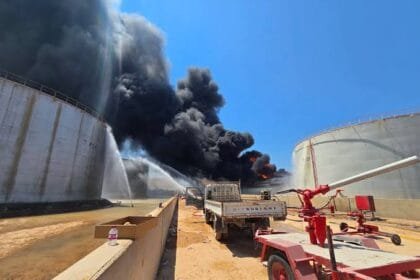
This decline is primarily attributed to Ukraine’s intensification of drone attacks targeting Russian energy facilities and refineries. As a result, seaborne crude oil export volumes decreased by 24% during the same month.
The Iranian war is giving Russia “new buyers”
Conversely, crude oil exports rose by 250,000 barrels per day compared to March, reaching 4.9 million barrels per day.
This increase is a result of severe disruptions to Gulf region supplies stemming from the ongoing Iran-Iraq War. Consequently, this has prompted many international buyers to seek stable alternatives, attracting new customers to Russian oil despite international sanctions.
Record revenues in dollars and euros
On the revenue front, Moscow reaped substantial financial gains, with energy export earnings rising by 4% month-on-month.
According to the report, Russia’s oil, gas, and coal revenues reached approximately €733 million per day (equivalent to $863 million per day).
This financial surge was driven by rising global prices triggered by the US-Iran war, offsetting a 7% decline in overall export volume.
These figures demonstrate the Russian energy sector’s ability to capitalize on current geopolitical crises to maximize its financial gains. This occurred despite the ongoing pressure on the ground from Ukrainian attacks on strategic export hubs.