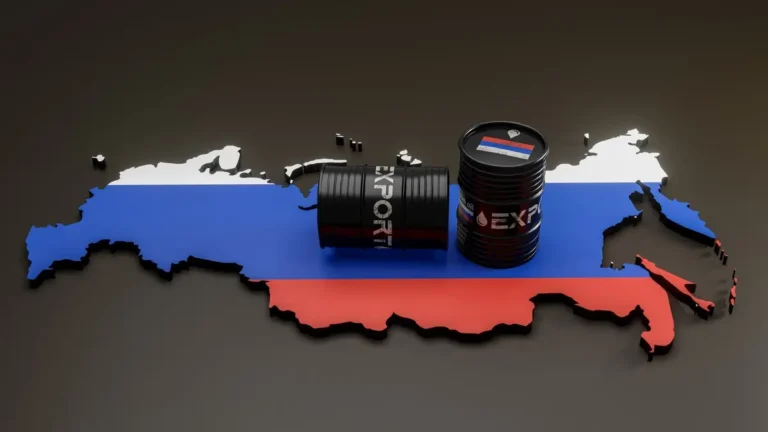
The International Energy Agency (IEA) reported that Russian oil export revenues surged to $19 billion in March.
This significant increase was driven by a temporary easing of international restrictions on Moscow. This easing was implemented by major powers to offset severe supply shortages and soaring global energy prices resulting from the ongoing conflict in the Middle East.
A surge in export volume
According to official data, Russia nearly doubled its oil revenues compared to previous months, with exports of crude oil and petroleum products reaching 7.1 million barrels per day in March.
These figures represent a radical and sudden shift in Russian trade. This is particularly evident when compared to February, when exports plummeted to a mere 320,000 barrels per day due to tightened international controls at the time.
An exceptional American decision
The record-breaking surge is attributed to a US decision to ease some restrictions on Russian crude oil sales, which had been imposed in response to the war in Ukraine.
This strategic move allowed countries to purchase oil already held “float oil” until April 11th. The aim was to inject additional volumes into global markets, which were under immense pressure due to geopolitical tensions in the Middle East.
Market balance and the challenges of sanctions
Analysts believe this move reflects the complexity of the global energy landscape, where Washington and its allies have had to balance the desire to restrict Moscow’s financial resources with the urgent need to stabilize fuel prices and avert a full-blown global energy crisis.
While Russia has reaped substantial benefits from this “temporary respite,” investors are watching closely to see how things will unfold after the April 11 deadline. They are also monitoring the markets’ resilience to a return to stricter restrictions amid ongoing regional instability that threatens international shipping lanes and traditional energy supplies.