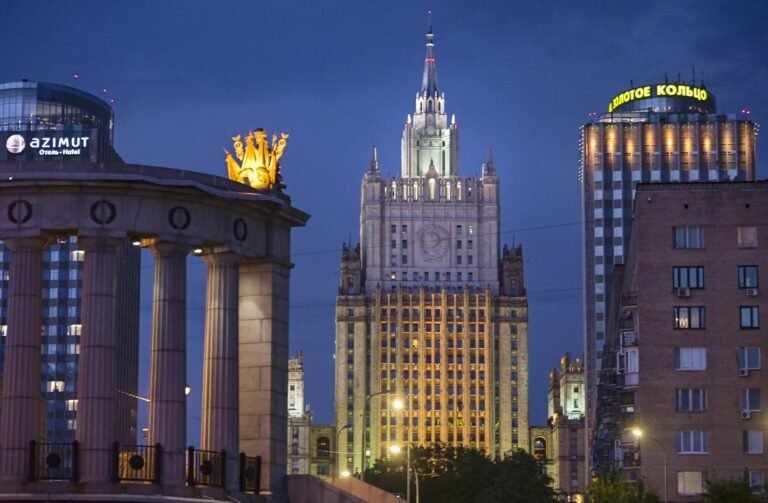
Moscow, Russia – In a diplomatic move with profound political implications, the Russian Foreign Ministry announced on Saturday, May 30, 2026, that it had recalled its ambassador to Armenia, Sergey Pavlovich Kopyrkin, to Moscow for “urgent consultations.” This step underscores the widening rift in relations between Moscow and Yerevan, particularly in light of recent actions by the Armenian leadership.
The stated reasons: “Harm to Eurasian cooperation”
The Russian Foreign Ministry explained in an official statement that the decision to summon the Armenian diplomat stemmed from “worrying moves” by the Armenian leadership to strengthen ties with the European Union. Moscow asserted that these Armenian actions are not merely sovereign choices, but rather “directly undermine the very essence of cooperation and integration” within the Eurasian Economic Union, of which Armenia is a member.
Armenia’s strategic transformation
This diplomatic escalation comes at a time of unprecedented strain in Russian-Armenian relations, as the Yerevan government has recently sought to diversify its strategic partnerships. It has begun to look towards the West and the European Union as an alternative to, or complement to, Russia’s traditional role in the region.
A strongly worded message to the Kremlin
Analysts suggest that recalling the ambassador is not merely a routine consultation, but rather a strongly worded message reflecting the Kremlin’s displeasure with current political trends in Yerevan. The coming days are likely to see comprehensive Russian assessments of the nature of future alliances with Armenia, given what Moscow perceives as a growing alignment with the West.
Anticipation in Yerevan and regional repercussions
So far, Yerevan has not issued an official comment on the summons, but observers are waiting to see whether this Russian move will lead to a review of Armenia’s foreign policy, or whether it will further widen the rift between the two countries. This could potentially reshape the map of alliances in the volatile Caucasus region. The issue of “rapprochement with the European Union” remains the most sensitive element in this equation, as Moscow draws red lines against what it sees as overstepping the bounds of economic blocs by forming alliances that may not serve its interests in the region.