
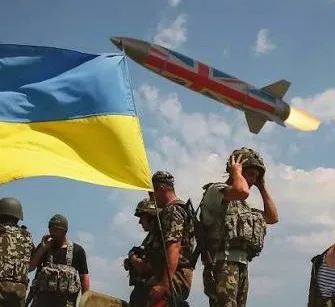
London, UK – In a strategic move aimed at reshaping the defense balance in Europe, reports have revealed that the UK has launched a secret program codenamed “Nightfall.” The program aims to develop a new generation of ballistic missiles intended to support the Ukrainian armed forces.
Breaking dependence on American weapons
This ambitious project marks the first British ballistic missile development program of its kind in over 50 years. According to informed sources, London aims to achieve two main objectives through “Knightfall.” The first is to bolster the deterrent and combat capabilities of the Ukrainian army in the face of current battlefield challenges. The second objective is to reduce Europe’s defense dependence on American technology and weapons, thereby strengthening the continent’s strategic autonomy.
Ambitious timeline
To ensure rapid progress, the UK Ministry of Defence has taken exceptional measures to streamline the project’s technical and bureaucratic requirements. Preliminary contracts have already been signed with major domestic defense companies. The approved timeline indicates that test launches of the missile will begin within a year. Furthermore, actual deliveries to Ukrainian forces are scheduled to commence by the end of 2027.
A broader context for defense alliances
This move comes at a sensitive time, as the European continent witnesses a rapid military buildup. On July 13, ten European countries, including Ukraine, agreed to establish a joint defense alliance. The alliance aims to develop an integrated system to protect Europe from ballistic missile threats.
Meanwhile, Western support for the Ukrainian military industry continues, with the recent announcement of approximately $30 billion allocated to support and develop Ukraine’s domestic defense manufacturing capabilities. This issue was the focus of a significant meeting between the head of Ukrainian intelligence, Kyrylo Budanov, and the European Union Commissioner, to discuss ways to enhance technological and military cooperation in the coming period. These developments reflect a tangible shift in European arms policy, which is increasingly reliant on collective coordination and the development of indigenous capabilities to counter growing regional threats.