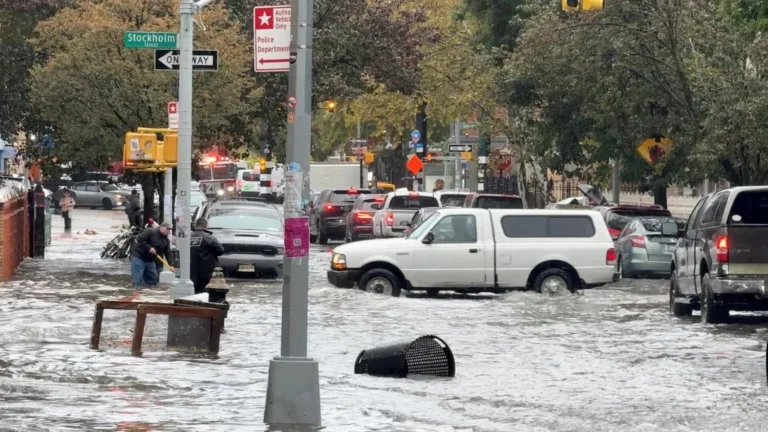
Hawaii, USA – Hurricane Lala made landfall on the southern tip of Hawaii’s Big Island on Sunday, bringing torrential rain and powerful winds. Local authorities issued dire warnings of dangerous flooding and mudslides that threaten lives and property. According to Agence France-Presse, the National Hurricane Center confirmed that the storm had intensified into a Category 1 hurricane, with winds reaching speeds of approximately 120 kilometers per hour. The center also warned of the significant risk of high and powerful storm surges impacting the coast, further exacerbating the already precarious situation.
In the same context, authorities maintained the tropical storm warning in effect for the state’s other seven islands. The forecast predicts torrential rainfall, which could lead to flash floods and mudslides, particularly in rugged and mountainous areas that are difficult to access.
Emergency situation and power outage
The hurricane caused widespread disruption to services and infrastructure, leaving tens of thousands of customers and homes without power across Hawaii. In response to these threats, Governor Josh Green declared a state of emergency last Thursday to prepare for the storm’s impact and ensure the state is fully prepared to address any significant damage.
A rare context and the implications of climate change
The Hawaiian Islands are among the few places in the world that experience such direct hurricane impacts. If Hurricane Lala officially makes landfall as predicted, it will be the third hurricane to strike the state in recent history, following in the footsteps of the infamous Hurricane Dot of 1959 and the devastating Hurricane Iniki of 1992. That last hurricane left six people dead and caused billions of dollars in damage.
Furthermore, climate scientists link the increasing intensity and frequency of extreme weather events to the ongoing effects of global climate change. This year’s strong El Niño phenomenon also played a role in raising temperatures in the tropical Pacific Ocean, which in turn increases the likelihood and risk of hurricane formation.