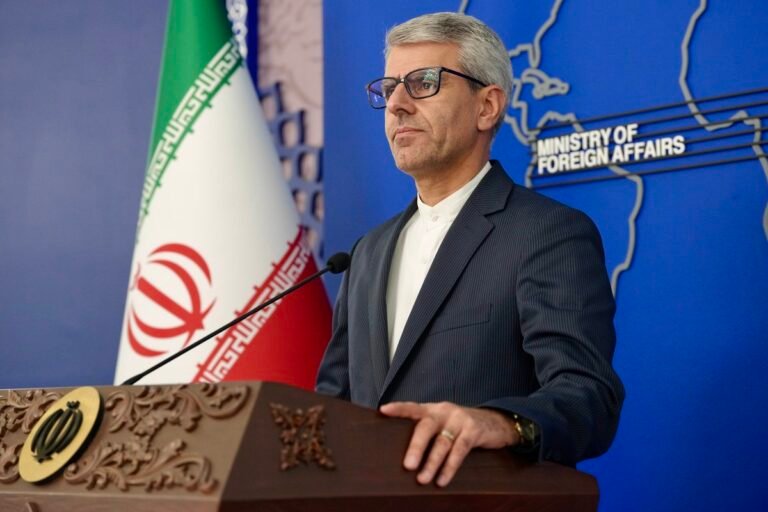
TEHRAN, Iran – Iran said on Saturday that the “economic war” planned by the United States against Tehran represents a flagrant violation of international law and the United Nations Charter. Iranian Foreign Ministry spokesman Ismail Baghaei wrote on the “X” platform that banks, companies, and airports that fall within the exclusive jurisdiction of a country should not be subjected to any coercion from other countries to push them toward “abandoning legitimate trade with a third country.” These statements came in response to the recent threats made by US President Donald Trump to impose strict sanctions against countries that continue to provide support to Iran. At the same time, these statements came as part of Washington’s persistent efforts to sharply increase economic pressure on Tehran.
Warnings against “traditional colonialism” and secondary sanctions
Baghaei added that “economic coercion,” which aims to force a sovereign state to change its legitimate political choices, constitutes an act of international law. He pointed out that such “secondary sanctions” represent a clear violation of the UN Charter. The Iranian diplomat also warned that Trump’s plan, along with the US naval blockade imposed on Iranian ports, would reduce the sovereignty of other countries to something “temporary, conditional, and revocable at the whim of another power.” He cautioned that these policies threaten a “return to traditional, comprehensive colonialism.”
The position of the US Congress and the objectives of economic pressure
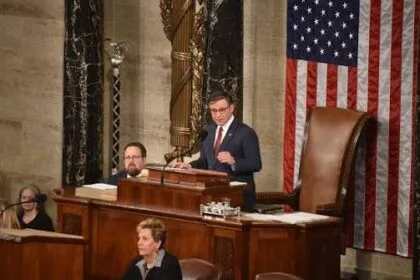
In contrast, US House Speaker Mike Johnson affirmed that the United States is entering a new and decisive phase of economic pressure on the Iranian government. He emphasized that sanctions and economic pressure will be the next primary step Washington will take toward Tehran. Johnson explained that preventing the Islamic Republic from developing or acquiring nuclear weapons has long been a key strategic objective of the United States. He added that President Trump is working diligently to resolve the Iranian issue and ensure that Tehran does not gain nuclear capabilities. The Speaker also highlighted the role of Washington’s allies in helping secure the Strait of Hormuz and other vital waterways to maintain the flow of global trade. He simultaneously linked the current regional instability to rising global fuel prices.