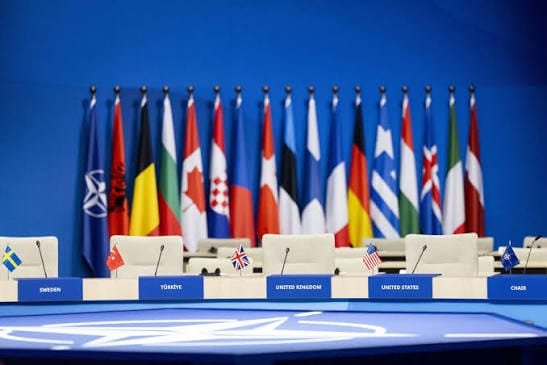
Brussels, Belgium – NATO member states are separately exploring potential partnerships and initiatives to ensure and protect freedom of navigation in the Strait of Hormuz, Reuters reported. The agency emphasized that these efforts are not part of a formal NATO mission. In this context, NATO’s Supreme Allied Commander Europe, General Alexis Greenich, held a videoconference with military officials from interested member states. A spokesperson told the news agency that the move aims to coordinate and facilitate contributions from willing countries. The spokesperson stressed, “This is not a NATO mission, but given NATO’s unique ability to bring allies together, it makes sense for us to play a facilitating role.”
European alliance led by France and Britain
At the European level, France and Britain are working separately to lead efforts to form a coalition of some 12 countries. This prospective coalition aims to ensure the safe passage of ships and trade through the Strait of Hormuz. This would be possible as soon as regional tensions subside or a settlement is reached in the current conflict.
The US naval blockade and its impact on oil flow
In conjunction with the diplomatic and military efforts of its allies, the US Central Command (CENTCOM) announced the implementation of stricter measures to support the naval blockade imposed on Iran. Reports indicated that US forces diverted approximately 68 commercial vessels and disabled three others. Additionally, US forces boarded two more ships to ensure full compliance with the blockade. Data from the Kpler Foundation indicated that the participation of more than 20 US warships in supporting this blockade led to a sharp decline in Iranian crude oil shipments. Shipments have fallen to approximately one-seventh of their pre-crisis levels.