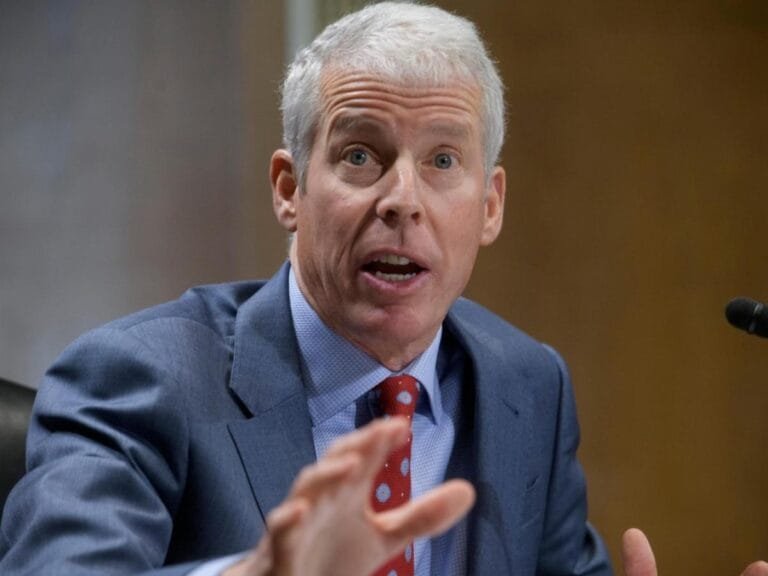
Washington, DC – US Energy Secretary Chris Wright affirmed that global oil supplies continue to flow through the Strait of Hormuz despite escalating regional tensions. He stated that the intensified movements of US and allied naval forces played a pivotal role in securing the passage of energy tankers. In notable remarks, Wright revealed that joint efforts successfully ensured the safe transit of more than 15 million barrels of oil and petroleum products through this strategic waterway last Tuesday. This reflects Washington’s commitment to maintaining the stability of global markets.
Figures and indicators on export activity
According to data reviewed by the Energy Secretary, average oil flows through the Strait of Hormuz reached approximately 9 million barrels per day over the past week. This was a direct result of coordinated efforts to secure maritime navigation. Wright added that total oil leaving the region approaches 20 million barrels per day when pipeline supplies and modern export facilities are included. This underscores the critical importance of this waterway to the global energy supply balance.
The naval blockade and developments on the ground
In a related development, the United States is intensifying its military presence. US Central Command announced the successful diversion of 68 commercial vessels and the disruption of three others. Additionally, it boarded two ships to ensure strict compliance with the naval blockade imposed on Iran. This blockade is supported by more than 20 warships stationed in the region. According to Kpler data, this has resulted in a sharp decline in Iranian crude oil shipments, which are now at approximately one-seventh of pre-war levels.
The struggle for control and the repercussions of regional tension
These moves come amid escalating political and military tensions, with Tehran, through its Revolutionary Guard, asserting that the Strait of Hormuz falls within its direct control, further complicating the security of the world’s most vital waterway. The United States continues to provide military and air cover to ensure that shipping lanes remain secure. Meanwhile, the world watches closely the implications of this competition for global energy supplies.