Delhi, India – A recent study by the Indian think tank, the Observer Research Foundation, has highlighted the accelerating geopolitical shifts in the Horn of Africa and its vital waterways. The study also predicted that the United States would move toward formal diplomatic recognition of the self-declared Republic of Somaliland. This analysis comes amid escalating tensions and crises related to maritime security. Furthermore, the threats extend from the Strait of Hormuz to the strategic Bab el-Mandeb Strait.
Why might Washington finally recognize Somaliland?
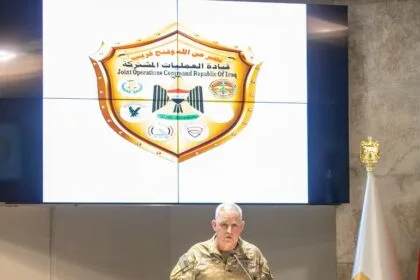
The high-profile meeting between Somaliland President Abdirahman Mohamed Abdullahi and Major General Claude K. Tudor Jr., commander of U.S. Special Operations Command Africa (SOCAFRICA), to discuss security cooperation and shared interests, suggests that Washington’s recognition of Somaliland is becoming increasingly likely. With the ongoing crisis with Iran and the uncertainty surrounding the Strait of Hormuz, a partnership with Somaliland is no longer a fleeting diplomatic option. Instead, it has become a pressing geopolitical necessity.
It is worth noting that Somaliland declared its independence from Somalia in 1991 and has maintained its status as a de facto independent state with stable democratic institutions for decades. This is despite the lack of formal international recognition until December 2025. At that time, Israel became the first country to officially recognize it. Furthermore, Somaliland has close ties with Taiwan and Ethiopia. Today, major shifts in the Middle East and the Horn of Africa are prompting Washington to reconsider its previous positions.
The geographical and military importance of the port of Berbera
The geopolitics of Somaliland take on added importance as the maritime conflict extends from the Strait of Hormuz toward Bab el-Mandeb. Approximately 12% of global trade and millions of barrels of oil pass through this strait. Given the ongoing threats posed by the Iranian-backed Houthis in Yemen, who use missiles and drones to disrupt shipping, Washington needs reliable and stable regional partners. This is necessary to ensure the freedom of international commerce.
Somaliland stretches for over 850 kilometers along the Gulf of Aden. Its most significant strategic asset is the port of Berbera, which has been modernized into one of the most efficient deep-water ports in East Africa. The adjacent airport is capable of accommodating large military aircraft. Therefore, it provides an ideal logistics hub for naval deployments, intelligence, and air and maritime surveillance operations. This development reduces the country’s exclusive reliance on facilities in neighboring Djibouti.
Countering Chinese influence and securing supply chains
Beyond its military importance, Somaliland stands out as a strategic counterweight to China’s growing influence in the region.
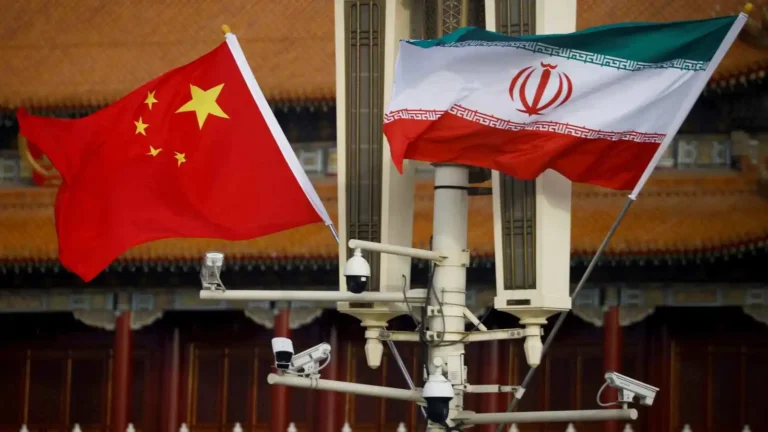
Despite Beijing’s persistent attempts to isolate Hargeisa and restrict its airspace and international relations (particularly its alliances with Taiwan, the UAE, and Israel), the Somaliland leadership has demonstrated remarkable resilience in resisting Chinese pressure. Furthermore, the leadership has shown a clear inclination towards the Western camp.
On the economic front, Somaliland has huge untapped reserves of vital minerals and rare earth elements. This is in line with American efforts to reduce dependence on Chinese supply chains. This reality also opens new horizons for Western companies in the fields of mining and infrastructure.
Counterterrorism and the prospects for US recognition
In terms of regional security, Somaliland has a more stable record in rejecting Islamist extremism and combating terrorism compared to its neighbor Somalia, which is grappling with the growing influence of al-Shabaab. Its internal stability and institutional cohesion make it an ideal partner for the United States in its security strategies in the Horn of Africa. In short, if the conflict continues to escalate and the Bab el-Mandeb Strait becomes a major arena for international competition, Somaliland’s geographic, political, and security advantages will make US recognition of it inevitable. Such a move would serve Washington’s strategic interests in confronting both Iranian and Chinese challenges.