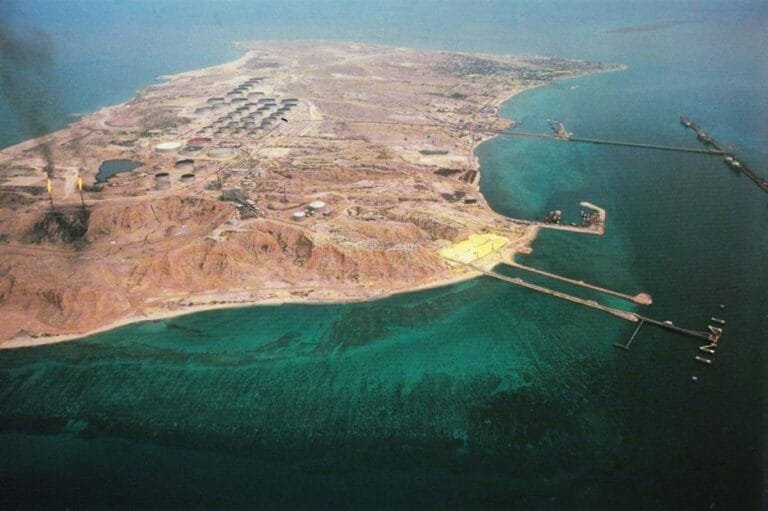
Tehran, Iran – Qeshm Island has been struck by a new environmental disaster as a dangerous oil spill has spread from the island’s southern coast. This pollution has reached the delicate mangrove forests of the village of Naqasheh. Meanwhile, an intensive official investigation is underway to determine the source of these black slicks. These slicks threaten the region’s ecological balance.
Spread of oil spills and pollution of mangrove forests
Field reports and images circulating on social media indicate that thick oil slicks have covered large parts of the Qeshm coast. This pollution has extended for approximately one kilometer from the coast of Susa. Afterward, the pollution spread to the Shab Daraz area and its unique mangrove forest ecosystem.
In this context, Shah Morad Jafari, head of the Qeshm Environmental Protection Department, explained that as soon as the pollution was detected, specialized teams rushed to collect analytical samples of the water and coastal sediments. He also confirmed that investigations are still underway to determine the precise source of the oil spill. For his part, Yousef Oprah, head of the Natural Resources and Watershed Management Department, confirmed that relevant authorities have launched a comprehensive investigation to assess the extent of the damage to the mangrove forests. Furthermore, emergency operations have already begun to clean the coastlines and erect barriers to prevent further intrusion of petroleum products into this fragile ecosystem.
Legal action and escalating environmental concerns
On the official level, the Qeshm prosecutor issued urgent directives to the port authority and the municipality to act swiftly and remove the oil slicks spreading along the beaches to minimize damage. So far, no official reports have been issued indicating the death of marine life or direct damage to coastal facilities. However, environmental experts warn of the seriousness of the situation. The mangrove forests of Qeshm are a vital habitat and essential breeding ground for many rare aquatic organisms and birds. Therefore, there are fears that the oil spill will contaminate the soil and vegetation. This could cause severe and long-lasting damage to the region’s animal food chain.
History of pollution on the Hormozgan coast and questions about the causes
This is not the first such incident on the coast of Hormozgan province in recent times. In May 2026, the province’s Director General of Environmental Protection announced that at least 70% of the coastline had been directly or indirectly affected by oil pollution following attacks on the Lavan refinery. The pollution affected the coasts of Lavan, Shidor, Qeshm, Larak, Hengam, Hormoz, Jask, and Bandar Lengeh. These events were accompanied by stark environmental warnings about damage to hawksbill turtle nesting grounds. To date, the causes of the new pollution in Qeshm remain unclear. This includes whether it is related to previous military operations, accidental leaks from passing ships, or other factors.