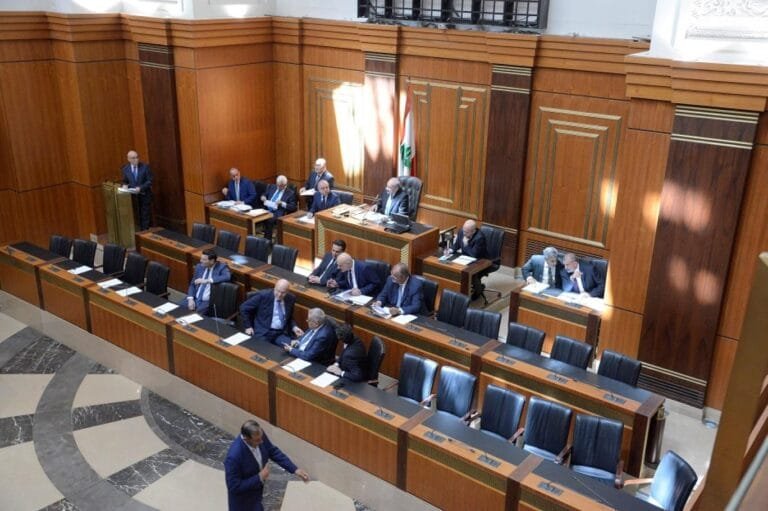
Beirut, Lebanon – Lebanese media reported today, Wednesday, that the Lebanese Parliament has officially approved a draft general amnesty law that has been long-awaited for many years. It is likely that thousands of arrested, convicted and wanted people will benefit from it, one by one. This is the first step of its kind in the country since 1991. It aims to turn a heavy page on the crisis of overcrowded prisons.
Details of the amnesty law and its fundamental amendments
The law was passed during a legislative session held on Wednesday, exactly as it was received from the joint parliamentary committees. However, several fundamental amendments were introduced concerning private rights, conditions for release, and the mechanism for trials outside of prison. Among the most prominent amendments adopted in the session was the reduction of the minimum sentence for release from 14 years to 12 years. Additionally, the word “final” was removed from the relevant legal articles. This is to ensure that release is granted exclusively to those who have no final court judgment against them. It is not limited to only those with final judgments.
Background to the legislation and addressing the prison crisis
This significant legislative development came after months of heated debate and deep political disagreements regarding the scope of the general amnesty and the crimes excluded from it, such as serious offenses and violations of individual rights. This occurred within the context of concerted efforts to address the chronic overcrowding in Lebanese prisons. Today’s session was preceded by the passage of another law on Tuesday. This other law abolishes the death penalty and replaces it with life imprisonment with hard labor.
It is worth noting that the legislative session in which the amnesty law was passed witnessed a significant boycott and complete absence of MPs from both the Free Patriotic Movement and Hezbollah. This reflects an ongoing political division regarding the details and circumstances of the legislative settlement. This also comes amidst public and legal anticipation of the practical implementation mechanisms of this law. There is also anticipation regarding its repercussions on the human rights situation in Lebanon.