Washington, DC – In a firm stance reflecting the continued tension in the international negotiations, a senior US official confirmed to the New York Post that the United States has not released any of the Iranian funds frozen abroad. He also emphasized that Washington will not back down from this position until Tehran fully complies with the stringent commitments outlined in the memorandum of understanding signed between the two sides.
American policy of “no” and strict conditions
The American official stated, “Nothing is given away for free in this process, and every step and every dollar is tied to precise criteria and specific phases that the Iranian side must first implement.” He further explained the nature of the negotiations, noting that Iran initially sought to receive all its financial assets in one lump sum upon signing the agreement. However, this demand was met with a firm American rejection.
Disbursement mechanism: direct oversight and gradual implementation.
The official noted that the US strategy is based on a principle of gradual disbursement and close monitoring, with Washington deciding to release these funds in small, limited installments. Payments are made directly to suppliers and companies to ensure they are not diverted. This is being done in conjunction with Tehran making tangible progress on strategic negotiating issues.
The official emphasized, “Ultimately, Iran realized it would not receive a single cent unless it fully complied with the requirements.”
Roadmap: From the Strait of Hormuz to humanitarian goods
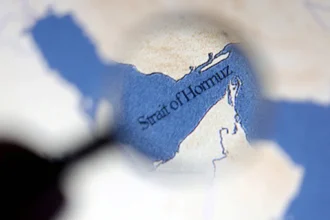
The US official outlined a clear roadmap for completing the process, noting that the release of funds is contingent upon concrete steps on the ground. He stated, “As Iran fully reopens the Strait of Hormuz to international navigation, ceases imposing illegal transit fees, and meets other security and political criteria, Tehran will gradually be able to obtain orderly waivers.”
He emphasized that implementing the memorandum of understanding is the only key that will allow Iran access to a portion of its assets. However, he clarified that this access would not be granted openly, but rather would be restricted to purchasing US goods for humanitarian purposes under international oversight.
Conflicting accounts between Tehran, Washington, and Doha
These statements come at a time of conflicting accounts from the capitals involved. On Tuesday, Iranian Foreign Ministry spokesman Esmail Baghaei claimed that the process of releasing the frozen assets was proceeding as planned. This contradicts assurances from the American side.
In contrast, Qatari Foreign Ministry spokesman Majid al-Ansari offered a decisive clarification, confirming that the $6 billion, which had been the subject of much debate, had not yet been transferred to Tehran.
This discrepancy in statements reflects international anticipation regarding Tehran’s compliance with the security and political conditions imposed by Washington. A protracted diplomatic and financial battle continues, with no resolution yet in sight.