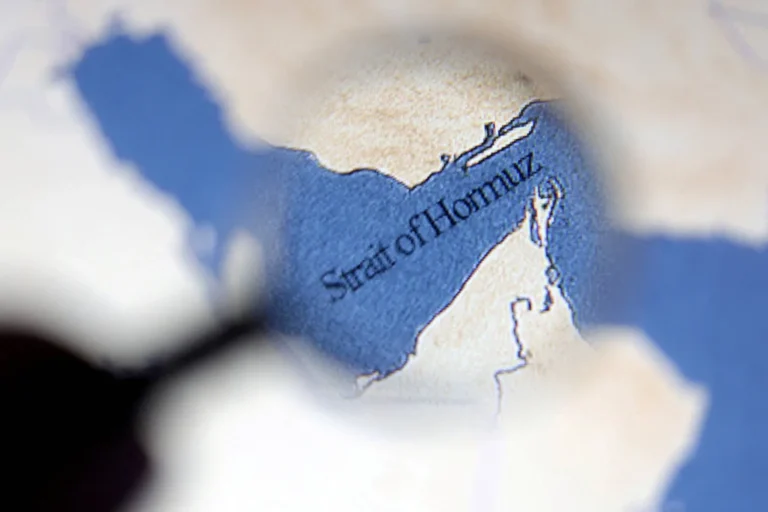
Tehran, Iran — The commander of the Iranian army declared that the Strait of Hormuz will not return to its previous status, emphasizing that the strategic waterway represents a crucial geopolitical asset for Iran amid ongoing regional tensions. Consequently, military officials stressed that Tehran will handle the future of maritime navigation in the strait as an indispensable element of its national security and strategic interests. Furthermore, energy analysts warned of the potential impact of these statements on international shipping routes and global oil price stability.
Strategic Dimensions and Maritime Control
The Iranian military chief explained that the importance of the strait extends beyond its geographical location and role in transporting energy supplies. Additionally, he emphasized that the waterway constitutes a central factor in regional security equations and power dynamics. Furthermore, he noted that upcoming developments will establish a new reality regarding maritime administration and security oversight in the region.
On the other hand, Iran’s insistence on treating the strait as a geopolitical leverage point raises widespread concern among global shipping lines and maritime insurance companies. Consequently, experts warn that sustained threats or restrictions could disrupt international supply chains and drive up maritime transit costs.
Geopolitical and Economic Market Implications
A significant portion of global petroleum exports and liquefied natural gas passes through the Strait of Hormuz, making it a critical choke point for the global economy. Consequently, imposing a new security framework over the waterway forces international powers to reassess strategies for safeguarding freedom of navigation.
Finally, international attention remains focused on whether diplomatic efforts can de-escalate tensions and maintain uninterrupted commercial vessel transit through the strait. Ultimately, adherence to international maritime law remains vital to avoiding long-term escalation in the region.