Washington, D.C. – An art and historical exhibition traces the journey of African American photographers, highlighting their beginnings
and their role in documenting the lives of African American communities throughout different periods of US history.
The exhibition features a collection of photographs and works that reveal how
these photographers used the camera to capture the details of daily life, documenting people, events,
and social transformations at a time when their work faced challenges
related to discrimination and limited access to art and media institutions.
The importance of photography
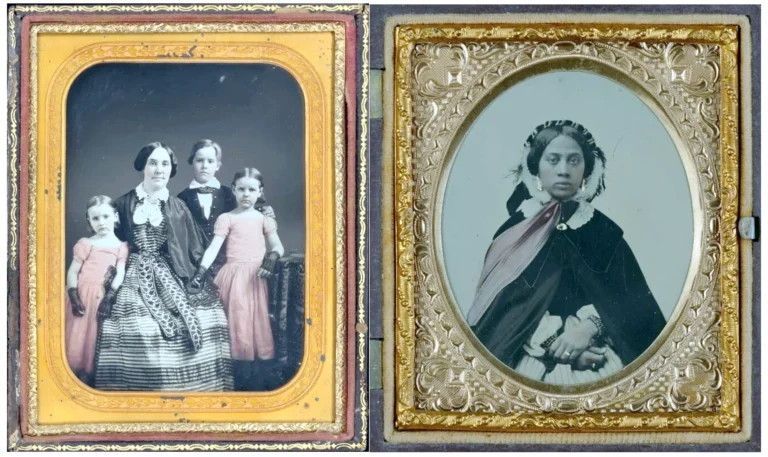
The exhibition highlights the importance of photography as more than just an artistic medium;
in many cases, it has become a tool for preserving collective memory.
It also presents diverse perspectives on the lives of African Americans,
moving beyond the stereotypes prevalent in earlier historical periods.
Furthermore, the exhibition traces the evolution of the experience from the early photographers who worked
under challenging conditions to later generations who gained access to the press, galleries, and museums.
These generations have contributed to expanding the presence of African American photographers in the cultural and artistic landscape.
A visual record and documentation of images of American society
The exhibition also presents a facet of American social history through the lenses of these photographers,
documenting families, neighborhoods, schools, celebrations, work, and protests.
In doing so, it serves as a visual record of the transformations American society has undergone over the decades.
The exhibition organizers emphasize that reintroducing these works helps to highlight the contributions of artists
and photographers whose work has not received the attention it deserves at certain times.
It also offers the public an opportunity to discover American history from a different visual and human perspective.