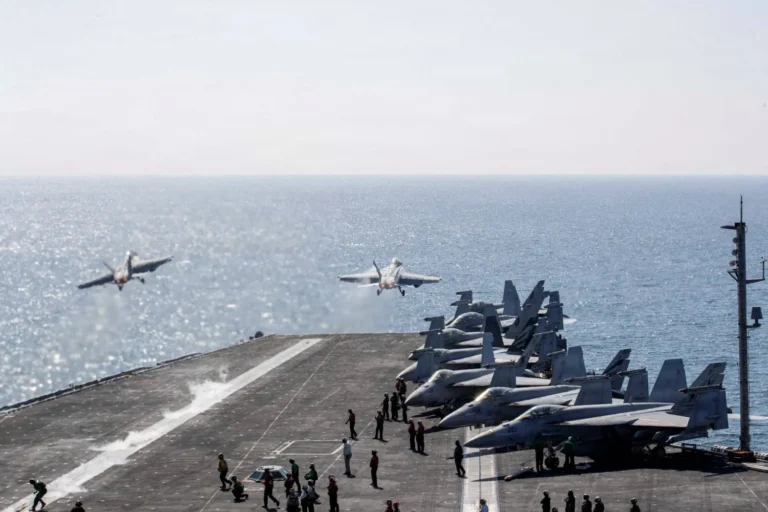
Washington, DC – US Vice President J.D. Vance and Chairman of the Joint Chiefs of Staff General Dan Keane raised serious concerns about plans to escalate the war against Iran during a crucial meeting with President Donald Trump at the White House. This development comes after 13 consecutive nights of intense airstrikes against Iranian territory, which ultimately led to a postponement of plans to expand the attacks and a temporary halt to large-scale combat operations.
The New York Times and CNN, citing senior U.S. officials speaking on condition of anonymity, reported that Vance and Cain provided Trump with detailed assessments of the implications of continuing the military campaign. While General Cain affirmed the U.S. military’s ability to execute all available options and achieve its operational objectives, he explicitly warned of the significant strategic repercussions and risks involved.
Depletion of ammunition and decline in strategic reserves
The closed-door discussions focused heavily on the Pentagon’s dwindling stockpile of Patriot interceptor missiles and other air defense systems. Informed officials indicated that concerns about the level of interceptor missiles were a major factor that made a return to large-scale combat operations a highly risky option for the security of US forces in the region.
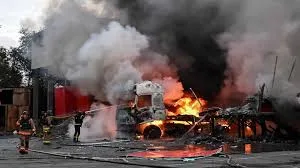
A senior US official explained that the attack that killed three American soldiers in Jordan weeks ago occurred after an Iranian ballistic missile penetrated US air defenses, which were already on high alert for a massive barrage of missiles and drones. In the same vein, General Cain warned that continued large-scale operations would lead to a dangerous and rapid depletion of US Central Command’s (CENTCOM) interceptor missile stockpile.
According to internal Pentagon estimates and congressional sources, as reported by The New York Times in previous articles, the U.S. military has used more than 1,200 Patriot missiles since the outbreak of the war, with each missile costing over $4 million, pushing the stockpile to critical levels that have been exacerbated by the continued heavy Iranian fire against U.S. bases over the past two weeks.
Trump’s political and diplomatic dilemma
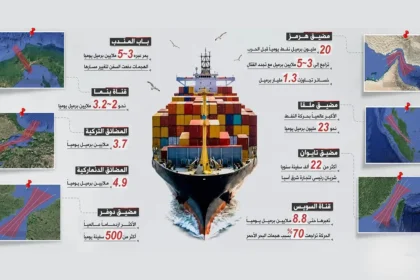
US President Donald Trump faces a complex dilemma regarding how to manage the war, now in its fifth month, particularly in light of the crisis surrounding the reopening of the Strait of Hormuz and the surge in domestic and global gas prices coinciding with the recent resumption of hostilities. Meanwhile, diplomatic efforts have largely collapsed, and many analysts and officials believe that the latest wave of airstrikes has failed to achieve the desired military deterrence against Tehran.
For his part, White House Communications Director Steven Chung affirmed that Trump remains steadfast in his preference for diplomatic solutions, but at the same time retains all available military options should Iran continue what he termed “terrorist activities” in the Strait of Hormuz or against regional allies. Chung added that after enduring the brunt of harsh sanctions and repeated strikes, it would be wise for Iran to come to the negotiating table to reach a comprehensive negotiated agreement; otherwise, it will bear the consequences of its actions.
Differing opinions within the US administration
Trump and his top aides have expressed growing concern about the potential for the conflict to engulf the entire Middle East, as well as the possible global economic repercussions. A senior US official expressed doubts about the wisdom of resuming large-scale airstrikes, asserting that previous strikes had backfired, strengthening Iranian domestic unity and providing its leadership with a golden opportunity to consolidate its ranks in the face of a direct external threat.
Before Friday’s crucial meeting, Trump told reporters that US forces were prepared to launch even harsher attacks if necessary, while simultaneously emphasizing that the door remained open to diplomacy. He stated, “We are ready to act, but we are negotiating with them, so there may be a turning point, and there may not be.”
Prior to postponing the plans, Pentagon leaders were considering multiple phases of a preemptive bombing campaign that would include coastal radars, anti-ship missile launchers, and the fleet of attack boats, along with energy facilities and sensitive nuclear sites such as the Jabal al-Fas facility, as well as bolstering military supplies and damaging infrastructure and bridges used by the Iranian military to transport supplies to the southern coast.
The alternative bet is on economic pressures
Following assessments by military leaders, an alternative course of action emerged, supported by several of the president’s advisors, most notably his son-in-law Jared Kushner. This approach focuses on reducing military risks and emphasizing the continuation of economic and diplomatic pressure. Regarding the naval blockade recently imposed by Washington on ships bound for or departing from Iranian ports, reports indicate mixed results. Tehran has succeeded in resuming some oil shipments to Asian markets, particularly China, following the signing of a previous memorandum of understanding. This suggests that restoring the full effectiveness of economic pressure will require more time and further testing of the ongoing crisis.