Algeria – The Algerian authorities’ decision to expand the use of English in the education system has reignited the long-standing debate about the future of French in the country. This comes amidst an official trend to grant English a greater role in schools, recognizing it as the language of science, technology, and access to global markets.
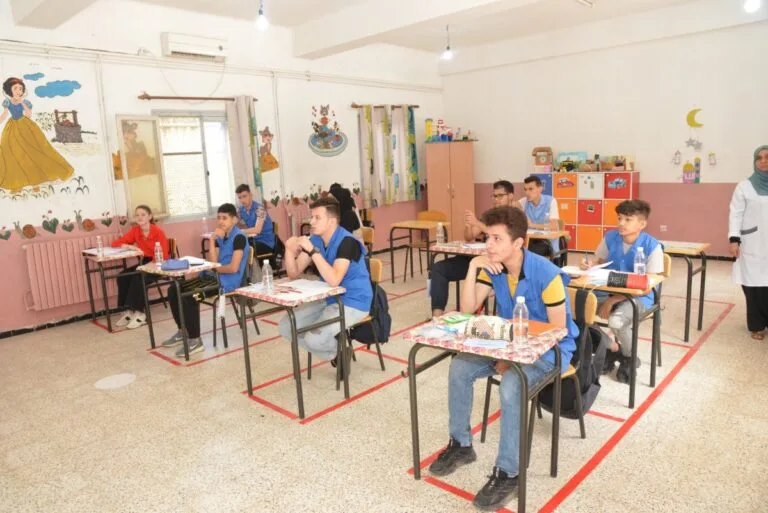
The decision is part of efforts to develop the education sector and improve students’ foreign language proficiency. Experts believe that strengthening English instruction aligns with international trends and labor market demands, as well as supporting scientific research and academic collaboration with universities and international institutions.
Conversely, the decision sparked a wide-ranging debate between supporters who believe that English has become the language of economics and innovation, and that prioritizing it in education represents a strategic step towards the future, and others who argue that French still holds a significant position in administration, higher education, and numerous economic sectors, making its reduction a gradual and balanced process.
Observers believe that the debate is not limited to the educational aspect, but extends to historical and cultural dimensions dating back to the colonial era, during which French remained strongly present in state institutions and universities for decades. In recent years, Algeria has sought to diversify its linguistic options and promote the use of Arabic and English in various fields.
Education specialists emphasize that the success of this approach will depend on providing qualified teachers, modernizing curricula, and ensuring the necessary resources to guarantee a gradual and effective transition that achieves educational development goals without compromising students’ academic achievement or creating a gap within the educational system.