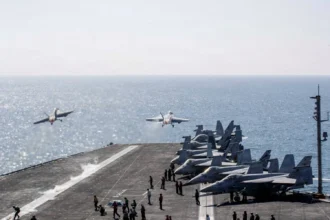
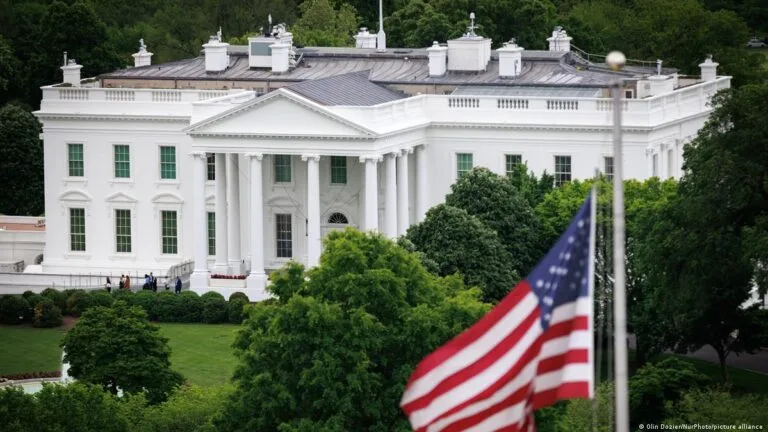
Washington, United States – The White House has officially responded to a report published by the New York Times, which stated that US President Donald Trump had halted plans for a major escalation in military operations against Iran, while confirming that the administration is still keeping all options on the table.
In an exclusive interview with Fox News Digital, White House Communications Director Steven Cheung said, “The president has consistently stated that he prefers a diplomatic solution, but he will continue to keep all options open if Iran continues to engage in terrorist activities in the Strait of Hormuz or against its allies.” He added that after “successful sanctions that have crippled the Iranian economy, as well as 13 days of strikes on military targets in response to their repeated aggression, it would be wise for Iran to try to reach a negotiated agreement. Otherwise, they know what will happen.”
Behind the scenes of the New York Times and CNN reports
The White House response comes after reports in The New York Times and CNN, citing unnamed senior U.S. officials, stated that Vice President J.D. Vance and Chairman of the Joint Chiefs of Staff General Dan Keane provided Trump with detailed assessments of the implications of continuing the military campaign. While General Keane affirmed the U.S. military’s ability to execute all available options and achieve its operational objectives, he explicitly warned of the significant strategic repercussions and risks involved.
Depletion of ammunition and decline in strategic reserves
Closed-door discussions among the US leadership focused intensely on the Pentagon’s dwindling stockpile of Patriot interceptor missiles and other air defense systems. Informed officials indicated that concerns about the level of interceptor missiles were a major factor making a return to large-scale combat operations a highly risky option for the security of US forces in the region.
A senior US official explained that the attack that killed three American soldiers in Jordan weeks ago occurred after an Iranian ballistic missile penetrated US air defenses, which were already on high alert for a massive barrage of missiles and drones. In the same vein, General Cain warned that continued large-scale operations would lead to a dangerous and rapid depletion of US Central Command’s (CENTCOM) interceptor missile stockpile.
According to internal Pentagon estimates and congressional sources, previous reports indicated that the US military has used more than 1,200 Patriot missiles since the outbreak of the war, with each missile costing over $4 million, pushing the stockpile to critical levels that have been exacerbated by the continued heavy Iranian fire against US bases over the past two weeks.