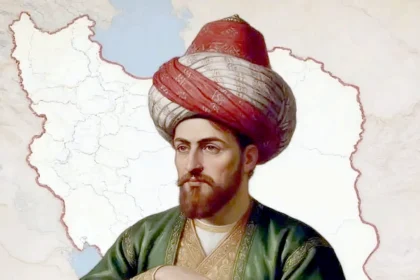
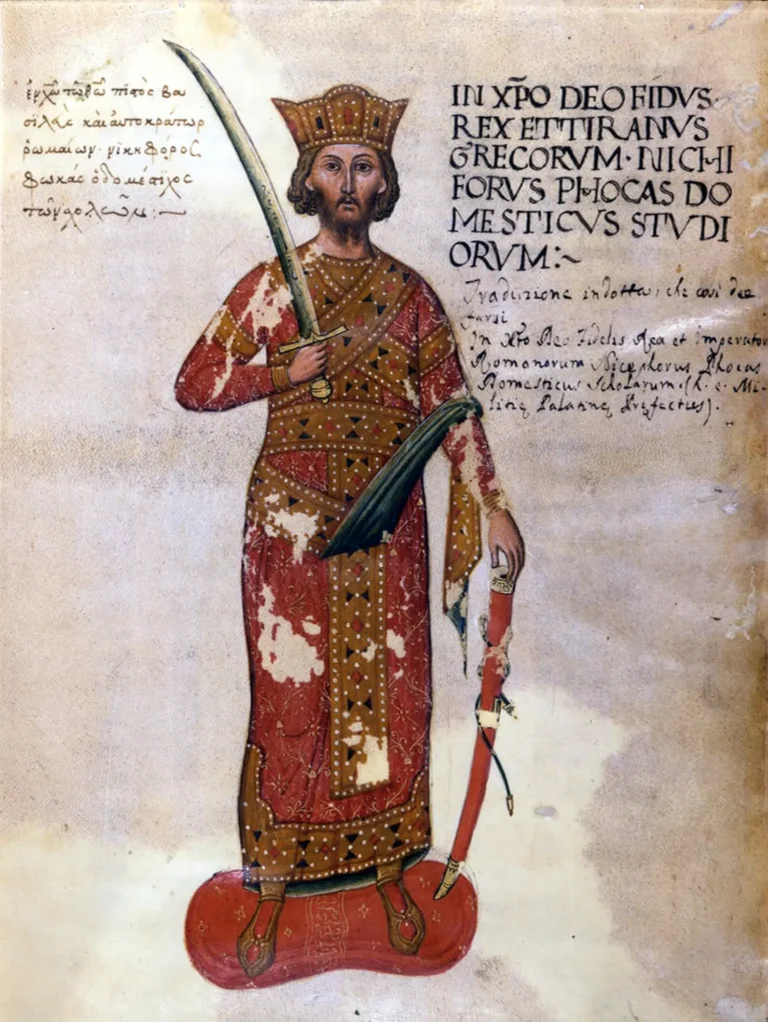
Cairo, Egypt – The anniversary of the death of Muhammad ibn Tughj al-Ikhshid, founder of the Ikhshidid dynasty, is being commemorated.
He is considered one of the most prominent rulers who left a clear mark on the history of Egypt during the Islamic era,
having succeeded in establishing a powerful state whose influence extended to the Levant and the Hejaz.
He laid the foundations for political and administrative stability during a period marked by turmoil and the decline of the Abbasid Caliphate.
Muhammad ibn Tughj was born in 882 CE to a family of Turkish origin who served in the Abbasid army.
He rose through the ranks of military and administrative positions
until he was appointed governor of Egypt in 935 CE by the Abbasid Caliph al-Radi Billah,
thus beginning a new chapter in the country’s history.
The balance between military power and civilian administration
Thanks to his military and administrative expertise, al-Ikhshid was able to establish security within Egypt,
reorganize state institutions, and bolster its financial resources.
He also extended his rule to include the Levant and parts of the Hejaz,
while maintaining nominal allegiance to the Abbasid Caliphate.
This granted him considerable autonomy in managing his state.
The Abbasid Caliph bestowed upon him the title “al-Ikhshid,” a title previously
given to the rulers of the Fergana region in Central Asia, in recognition of his stature and influence.
This title became the name by which the state he founded was known, a state that lasted for nearly four decades.
The Ikhshidid state relied on a policy of balancing military power with civil administration.
Al-Ikhshid worked to secure trade routes, regulate tax collection, and maintain internal stability,
while avoiding protracted wars that could deplete state resources.
This contributed to the flourishing of trade and agriculture in Egypt during his reign.
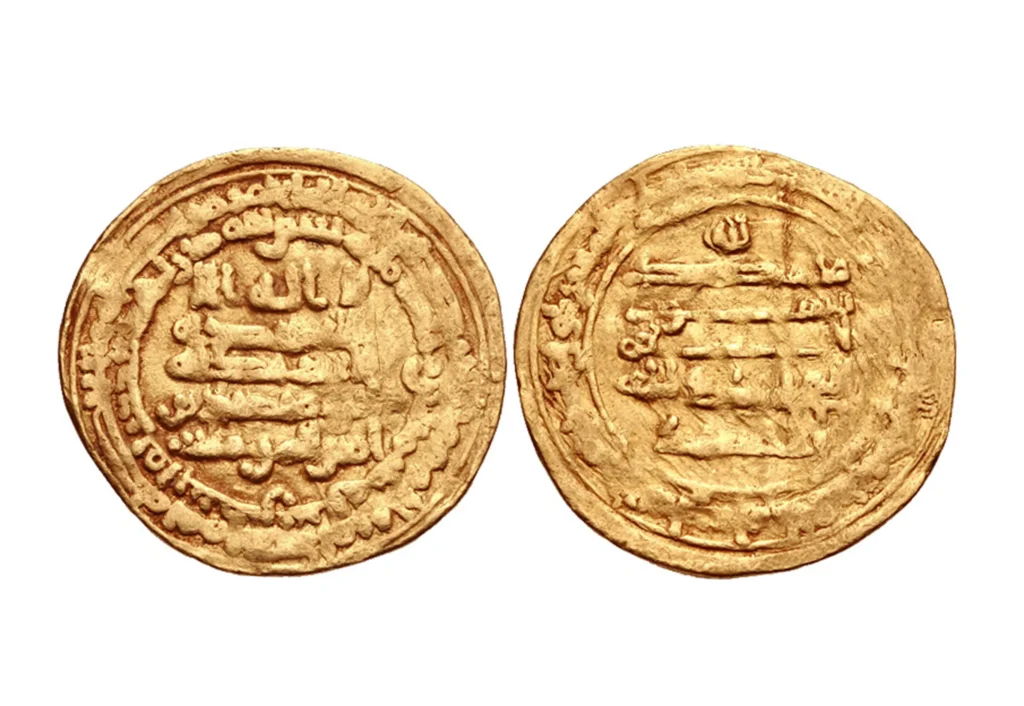
Enhancing Egypt’s political and economic standing
He also paid great attention to strengthening the army and securing the borders,
especially in the face of threats emanating from the Levant and the Arabian Peninsula.
He sought to maintain balanced relations with regional powers to ensure the continued influence and stability of his state.
Muhammad ibn Tughj al-Ikhshid died in 946 CE in Damascus,
and his sons succeeded him, ruling under the supervision of several senior statesmen.
The renowned commander Kafur al-Ikhshidi then rose to prominence,
managing the state and maintaining its cohesion for years until the Ikhshidid dynasty fell with the Fatimid conquest of Egypt in 969 CE.
Historians believe that Muhammad ibn Tughj al-Ikhshid succeeded in establishing
one of the most important independent states in the history of Islamic Egypt.
His policies contributed to consolidating security and stability and enhancing Egypt’s political and economic standing,
making the Ikhshidid state a significant link in the region’s history between the Abbasid and Fatimid eras.