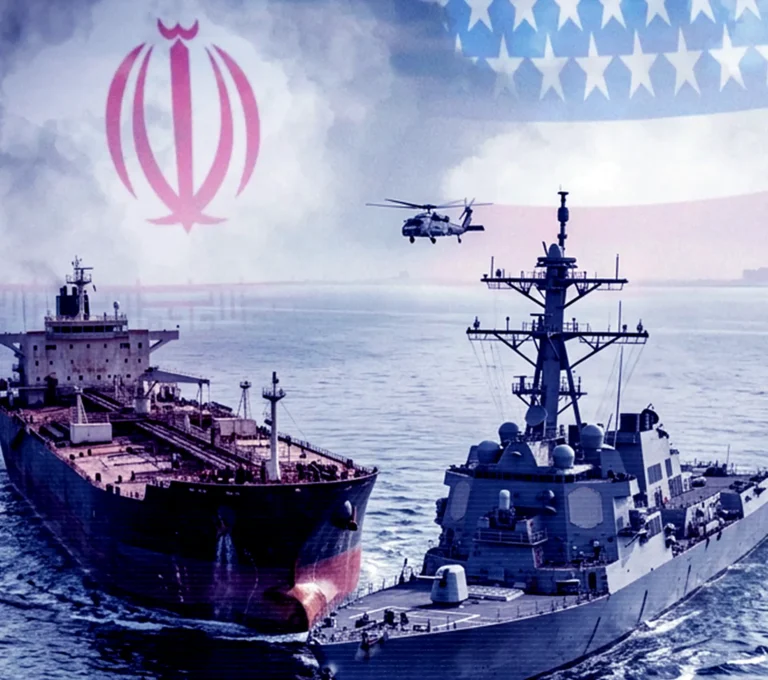
U.S. Central Command (CENTCOM) announced the conclusion of a new wave of military strikes against targets inside Iran on July 13, which lasted five hours.
These operations focused on targeting military sites in several strategic areas.
These areas included Bushehr, Chabahar, Jask, Konarak, Abu Musa Island, and the port of Bandar Abbas.
The objective was to degrade Tehran’s ability to threaten commercial shipping.
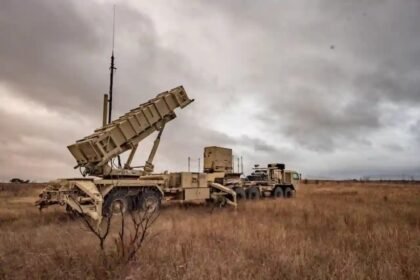
To achieve these objectives, U.S. forces relied on precision munitions targeting coastal defense systems, missiles,
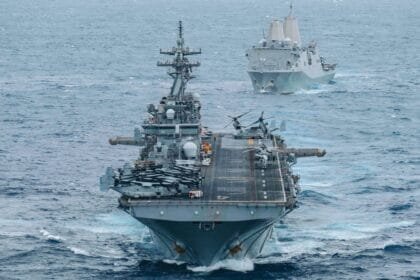
and drones. Additionally, naval capabilities were also targeted.
Imposing a blockade on maritime traffic
Concurrently with these strikes, CENTCOM announced the resumption of the blockade on shipping to
and from Iranian ports, effective Tuesday, in accordance with directives from US President Donald Trump.
This measure is based on a previous operation conducted by US forces between April and June.
During that operation, more than 140 commercial vessels were instructed to comply,
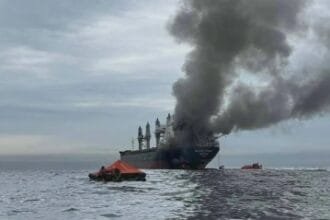
and nine ships that refused to adhere to the instructions were disabled.
Humanitarian aid vessels were exempted from the blockade.
In this context, Central Command urged ship captains to exercise caution
and follow navigational instructions when transiting the Gulf of Oman and the Strait of Hormuz.
Reducing the capabilities associated with the Strait of Hormuz
In a significant move, US forces carried out intensive strikes for the third consecutive night,
using – for the first time- cruise drones against the port of Bandar Abbas.
This resulted in explosions, according to Iranian media reports. The explosions affected several areas,
including Bushehr and the islands of Qeshm and Kish.
US President Donald Trump confirmed that these operations were
aimed at degrading capabilities related to the Strait of Hormuz.
He also vowed to continue the strikes and hinted at the possibility
of targeting the Jabal Bekas facility near Natanz.
Araghchi: Iran is the guardian of the Strait
In response, Tehran expressed its complete rejection of these measures,
with Foreign Minister Abbas Araqchi describing Iran as the “guardian of the Strait.”
He also held Washington responsible for ending the previous period of calm.
This American approach, combining direct strikes with a naval blockade,
reflects a shift in strategy toward isolating Iran militarily and economically.
At the same time, it keeps the door open for negotiations should Tehran respond to American demands.