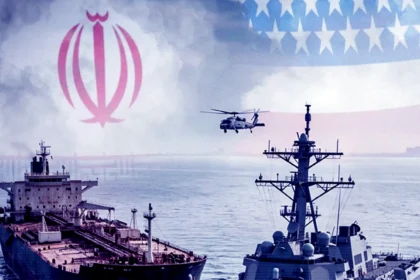
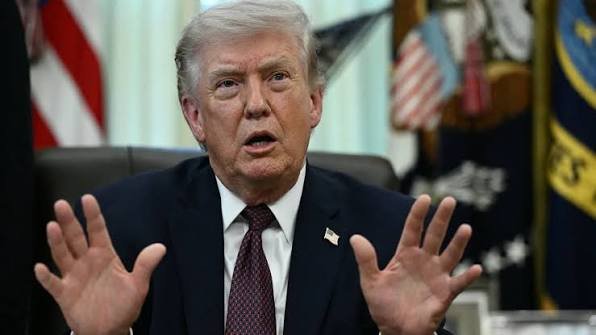
In a new statement reflecting the escalating tension in the Arabian Gulf, US President Donald Trump revealed in an interview with the “Newsmax” network that US forces have succeeded in destroying large parts of Iran’s military infrastructure. Trump confirmed that recent operations accurately targeted “most Iranian radars, many munitions, and many of their weapon launchers,” indicating that these strikes come in response to continued threats to international navigation in the Strait of Hormuz.
Strategy of Military Pressure
During the interview, Trump explained that the goal of these operations is to curtail Tehran’s ability to obstruct global trade movement, asserting that the United States will not tolerate any attempts to impose “levies” or restrictions on ships transiting the strait. These statements coincide with the White House’s announcement of a formal notification sent to Congress regarding the resumption of military operations against Iran, following the collapse of the ceasefire reached last June.
Field Situation and Escalation Repercussions
The US President’s statements come at a time when the region is witnessing an exchange of attacks between Washington and Tehran, with the United States launching a series of intense raids targeting approximately 90 Iranian military sites, according to military reports. In response, Iran continues its attempts to retaliate by targeting sites in neighboring countries, increasing global market concerns and causing volatility in oil prices, which have been directly impacted by the disruption of navigation in the Strait of Hormuz, the vital corridor that transports about 20% of the world’s energy supply.
The Future of Diplomacy Amidst “Brinkmanship”
Despite the military escalation, Trump indicated that the door to negotiation remains open, explaining that reaching a final deal with Tehran “is still possible” despite the recent breakdown in talks. This contradiction in American messaging—between continuing military strikes and demanding the opening of a dialogue—reflects the “maximum pressure” strategy adopted by the US administration to extract political and security concessions, while the region remains in a state of high alert for upcoming developments.