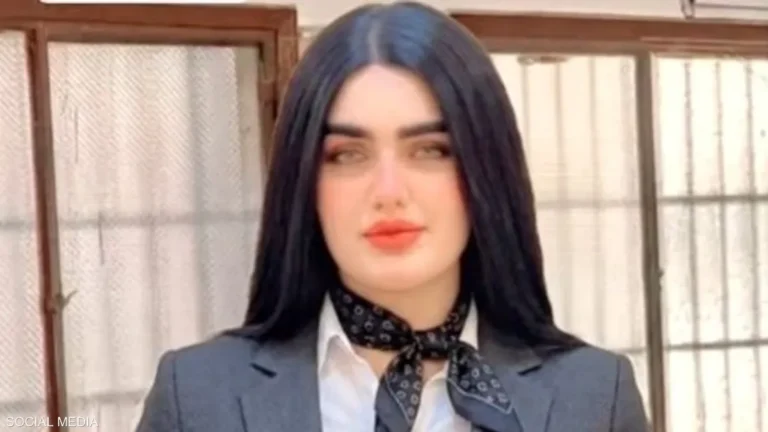
The decision by the Sohag Bar Association in Upper Egypt to provisionally suspend lawyer Loaa Khalaf Bakry Osman from practicing law has sparked widespread controversy and divided opinions among social media users. This uproar followed the widespread recirculation of the decision, despite it being officially issued on June 11, turning the case into a dispute that transcends the courtroom to touch upon issues of personal freedom and professional traditions.
The Association’s Position and Stated Reasons
According to the official statement issued by the Sohag Bar Association, the suspension decision was an interim measure pending the final ruling in the disciplinary case filed against the lawyer. The Association attributed its strict decision to what it described as “the lawyer’s practices on social media pages and groups, and her reliance on entities outside the scope of the legal profession against the Association and her colleagues.” The Association added that the decision was also due to clear violations of the Legal Practice Law and its established customs, emphasizing that it would not be lenient in maintaining the dignity of the black robe and the adherence to union traditions mandated by the profession’s nature.
The Lawyer’s Rebuttal: Accusations of “Inquisition”
In response, lawyer Loaa Bakry broke her silence to forcefully counter the suspension decision. Writing on her personal Facebook account, she called for opposition to what she described as “attempts to reproduce extremist thought within some institutions under the guise of discipline.” Bakry questioned the standards used for evaluation, stressing that the hijab or personal appearance should not be a criterion for judging professional competence. The lawyer criticized some entities for turning into what she called “inquisition courts” that interfere in people’s consciences and beliefs rather than holding them accountable for their commitment to the law and their work performance. She pointed out that pressuring citizens to adopt a specific religious pattern, or targeting them with defamation and exclusion due to their differences, poses a danger to the civil state and reproduces a climate of intellectual guardianship. She affirmed that the Constitution guarantees personal freedom and freedom of belief and did not grant anyone the authority to impose their convictions on others.
Polarization and Broad Interaction on Social Media
Social media platforms, especially groups interested in legal affairs, witnessed a sharp division following the lawyer’s response. A segment of lawyers supported the Association’s council decision, viewing the step as necessary to control the legal landscape, curb abuses on social media, and maintain the professional traditions that govern a lawyer’s conduct. Conversely, another segment expressed solidarity with the lawyer after she revealed the background of the crisis related to “appearance and hijab,” arguing that practicing intellectual or religious guardianship within professional unions is unacceptable and contradicts the nature of union work and the Egyptian Constitution. This polarization has transformed the case from a mere internal union dispute into a public opinion issue, raising fundamental questions about the limits of personal freedoms and professional traditions within Egypt’s long-standing institutions.