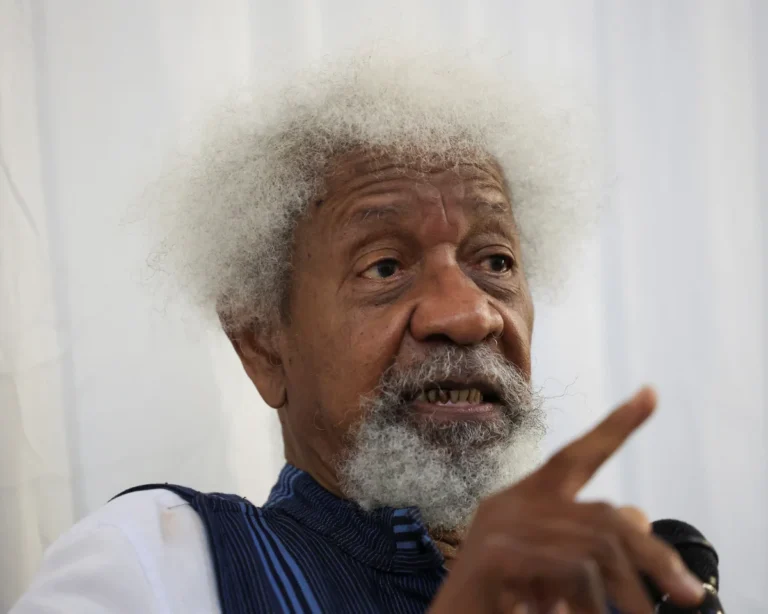
The controversy surrounding the US visa crisis has widened beyond sports fans attending the 2026 World Cup, reaching deep into the cultural and academic spheres. This comes after the renowned Nigerian author and Nobel laureate in Literature, Wole Soyinka, announced that his US entry visa had been canceled—a move that has raised widespread questions about the negative impact of immigration policies on cultural exchange.
Details of Soyinka’s Visa Cancellation
Soyinka stated that US authorities officially informed him of the cancellation of his existing visa, requesting that he apply for a new one if he wished to travel to the United States. He noted that the US administration provided no convincing explanation for this sudden decision, merely offering a vague reference to the “emergence of new information” since the previous visa was issued.
A Crisis Reaching from Sports to Academia
This incident arrives at a critical juncture, as the United States faces mounting international criticism over the obstacles and difficulties numerous fans and sports delegations—particularly from African nations—are experiencing in securing travel visas for the 2026 World Cup. This situation has sparked serious concerns regarding the impact of these complex procedures on global participation in the world’s largest sporting event.
It is worth noting that Wole Soyinka was the first African writer to be awarded the Nobel Prize in Literature in 1986, and he has a distinguished history of serving as a visiting professor at several major US universities. He is well-known for his bold political stances criticizing US immigration policies, to the extent that he voluntarily relinquished his permanent residency “Green Card” in 2016 in protest of those policies.
Repercussions on Freedom of Movement
The veteran Nigerian author suggested that the decision to cancel his visa is likely directly linked to his outspoken political views and positions. Soyinka emphasized that the issue is not merely personal; rather, it strikes at the core of freedom of movement and open cultural communication between nations, warning that such restrictive measures could jeopardize the future of international academic and cultural cooperation.