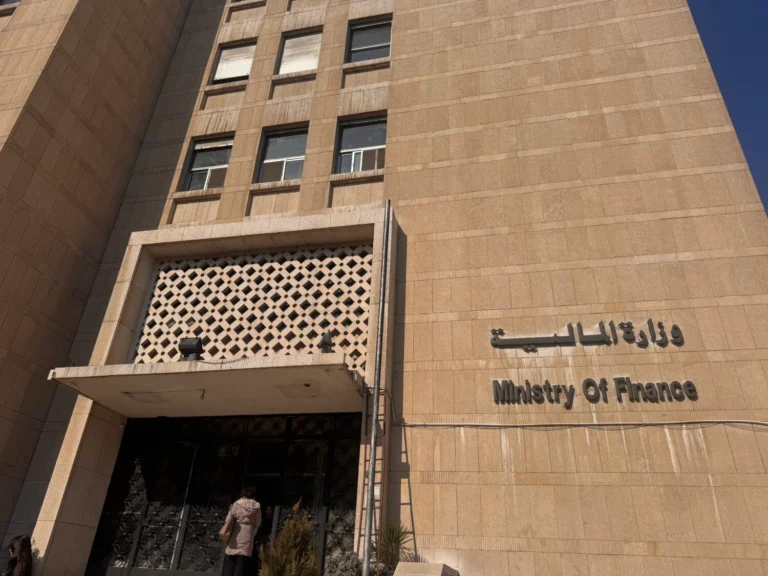
Damascus – Syria is preparing to pilot the issuance of its first-ever sovereign Sukuk, as part of a government strategy aimed at finding sustainable funding alternatives to cover the 2026 general budget deficit, moving away from traditional monetary tools that could exacerbate inflationary pressures.
Mechanism of Sovereign Sukuk
Unlike traditional bonds based on interest, sovereign Sukuk rely on the ownership of shares in real assets or projects. According to reports followed by “Voice of the Emirates,” these instruments make investment compliant with Sharia principles, where the investor receives returns generated by the profits of these assets or their leasing.
The Syrian Ministry of Finance expects this issuance to provide non-inflationary liquidity and reduce reliance on direct monetary financing (printing money), thereby strengthening financial and monetary stability in the country.
A Strategic Shift in the Syrian Debt Market
This move comes as part of the 2026 budget, which adopted Sukuk as a primary source to fund the $1.8 billion deficit, equivalent to about 5% of GDP. Minister of Finance, Mohammed Yusr Barniya, held a committee meeting to discuss the strategic plan for issuing Treasury bills, bonds, and sovereign Sukuk.
The Ministry, in coordination with the Central Bank of Syria, is working to establish a “reference yield curve” to help price financial instruments and develop the local debt market. This aims to create an attractive investment pool for local savings, instead of having them hoarded or converted into foreign currencies.
Challenges for Success and Future Stakes
Economist Amer Shahda describes this move as “a start in the right direction,” but emphasizes that its success requires more than just legislation. It necessitates a comprehensive restructuring of the banking sector, development of technical infrastructure, and capacity building for human resources to pivot toward specialized financial consulting.
Sovereign Sukuk in Syria represent a test of the state’s ability to build a modern securities market and attract the trust of local and regional investors. While the project is in advanced preparation stages, its success remains contingent on the speed of completing institutional reforms and providing a transparent investment environment, allowing Sukuk to become a pillar for sustainable development funding, rather than just a tool to cover urgent financial needs.