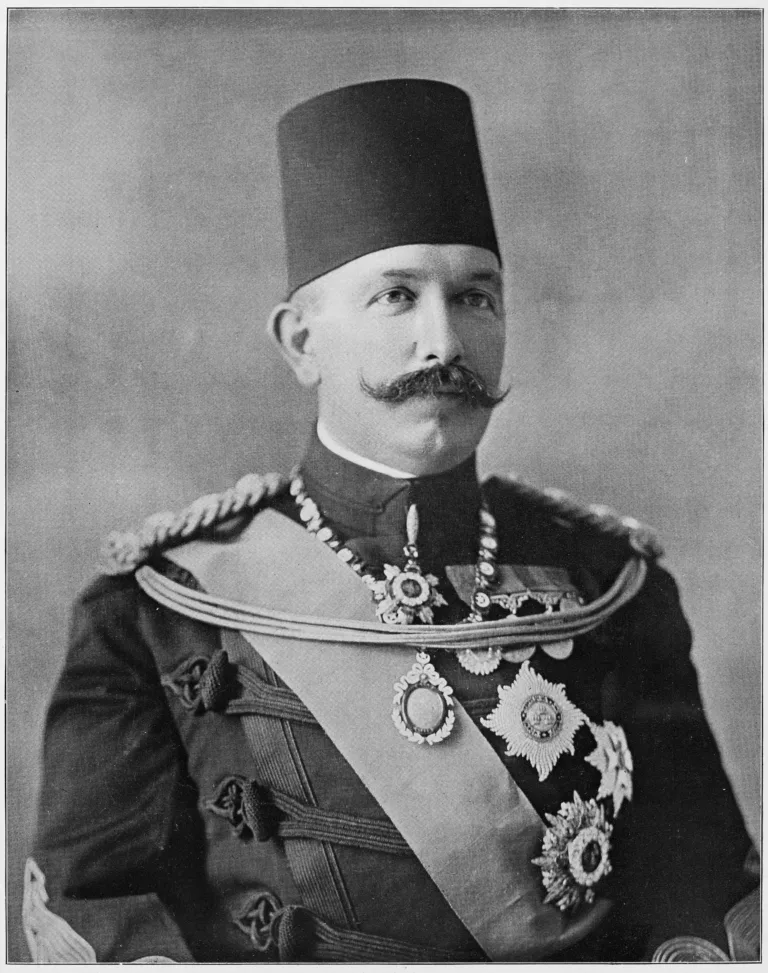
Cairo, Egypt – The birth anniversary of Khedive Abbas Hilmi II, the last ruler of Egypt to hold the title of “Khedive,” is being remembered, as his name is linked to prominent political and national milestones. One of the most important was his immense support for the idea of establishing the Egyptian University, in a move considered a direct challenge to British hegemony and an effort to build a scientific and educational base that enhances national identity.
Education as a Tool Against Foreign Influence
During the years of British occupation, and according to reports cited by “agencies” and followed by “Voice of the Emirates,” Abbas Hilmi II realized that education represented one of the most important and powerful tools to confront foreign influence.
This realization drove him to support the efforts of intellectuals and pioneers of the Egyptian renaissance aimed at establishing an independent national university, capable of preparing scientific and administrative cadres to help lead the country away from the control of foreign institutions.
Establishing the Egyptian University and Graduating Cadres
His unlimited political and moral support, alongside the efforts of prominent national figures, contributed to creating the climate for launching the Egyptian University in 1908, which later became known as “Cairo University.”
This pioneering educational institution transformed into one of the most prestigious universities in the Arab world and the Middle East, graduating thousands of scientists, thinkers, and leaders who enriched cultural and political life over the decades.
Rapprochement with the National Movement and Clashing with Britain
Khedive Abbas Hilmi II was also known for his stances characterized by rapprochement with the Egyptian national movement during several critical junctures. This caused extreme tension in his relationship with the British authorities, who were striving to tighten their control over all state institutions.
This clash ultimately led to Britain officially deposing him from power in 1914, coinciding with the outbreak of World War I. However, his name remains strongly present in Egyptian history as one of the rulers who supported the cultural renaissance at a time when Egypt was fighting a long battle for independence.