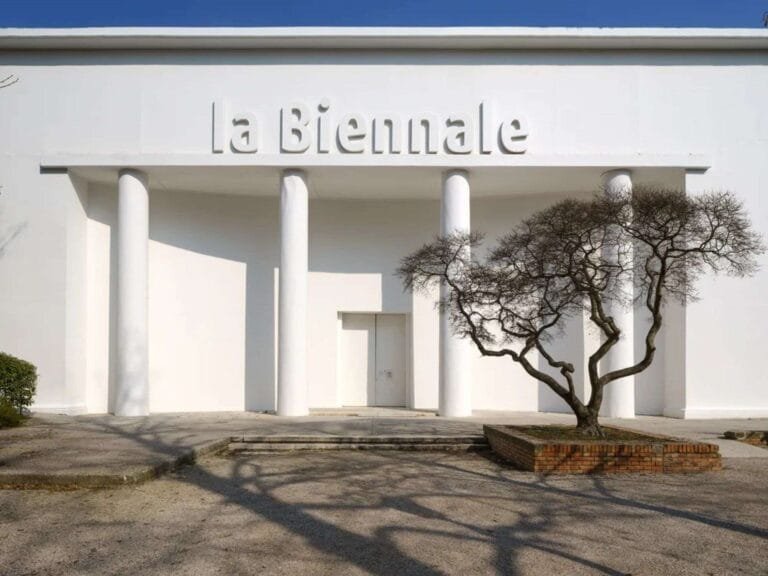
Brussels, Belgium – The European Commission has decided to withdraw funding worth two million euros that had been allocated to a project associated with the famous Venice Biennale. This unexpected step has sparked a wide and deep debate within European cultural and political circles, amid growing controversy over the funding mechanisms of major artistic events and their compliance with the strict standards imposed by the European Union.
Reasons for Funding Withdrawal and Grant Conditions
This decisive decision came after a careful review conducted by the Commission regarding the allocation and use of the financial grant designated for the project. Reports cited by “agencies” and followed by “Voice of the Emirates” indicated that there are fundamental disputes over meeting certain administrative and financial conditions associated with European funding.
In addition to these administrative hurdles, the significant political controversy surrounding the participation of the Israeli pavilion in the exhibition played a major role in prompting the Commission to re-evaluate the financial support provided to the project as a whole, assessing the appropriateness of continuing this support under current circumstances.
Importance of the Venice Biennale and its Global Stature
The “Venice Biennale” is considered one of the oldest and most important artistic and cultural events in the world; every year, it attracts dozens of countries and hundreds of prestigious artists and architects to showcase their latest works and creations in the fields of contemporary art, architecture, cinema, and theater.
As a result of this major historical and pioneering stature, any official decision regarding the funding of the exhibition—or its withdrawal—always garners wide media and political attention that transcends European borders to reach all international cultural spheres.
Reactions and the Future of Cultural Cooperation
The decision to withdraw funding has triggered mixed reactions among observers and stakeholders. One group within administrative circles viewed it as a natural regulatory measure aimed primarily at ensuring transparency and absolute compliance with the rules of disbursing budgets approved within the European Union.
Conversely, another group saw this move as a clear reflection of the increasing political sensitivity that has recently begun to cast a shadow over international cultural and artistic events. Discussions are expected to continue in the coming period between the Biennale organizers and the European Commission to reach a formula that ensures the continuation of the exhibition while fully complying with the approved financial controls.