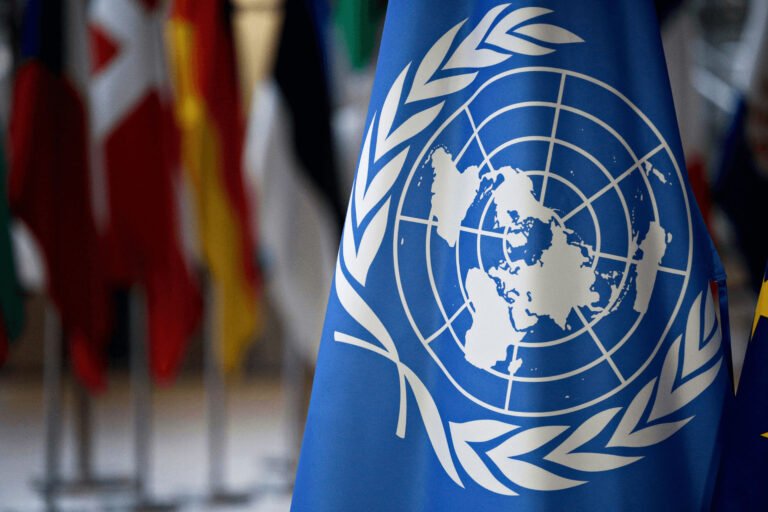
New York, USA – The 80th session of the United Nations General Assembly witnessed a sharp diplomatic confrontation. Cuban Foreign Minister Bruno Rodríguez condemned what he called the “cruel” and brutal US embargo imposed on his country, describing it as a multidimensional war targeting the population with collective punishment for nearly seven decades.
Record numbers and human suffering
The Cuban minister outlined the scale of the severe economic damage. He noted that losses from the blockade between March 2025 and February 2026 amounted to $8 billion, a 7% increase over the previous year. These figures did not include the devastating impact of the fuel embargo imposed last February. This embargo has led to widespread power outages and severe shortages of food and medicine. As a result, the United Nations has warned of a humanitarian emergency in the country.
Shifts in international positions
Despite a decline in traditional support in the General Assembly vote—with 136 countries voting in favor of holding the debate and 9 opposing it, while 30 countries, including Germany and Canada, abstained—Cuba garnered significant support from African and Caribbean blocs. Meanwhile, US Ambassador Mike Waltz asserted that “there is no embargo,” describing Cuba’s situation as a consequence of its government’s policies.
EU Ambassador Stavros Lambrinidis stressed that the deteriorating situation was not solely due to the embargo. He called for political and economic reforms and respect for human rights, criticizing Havana’s alignment with Moscow in its war on Ukraine. At the end of the debate, Minister Rodríguez asserted that diplomacy with Washington had reached a dead end. As long as the US administration continued to treat Cuba as a colonial monarchy or a defeated adversary, no progress in relations would be made.