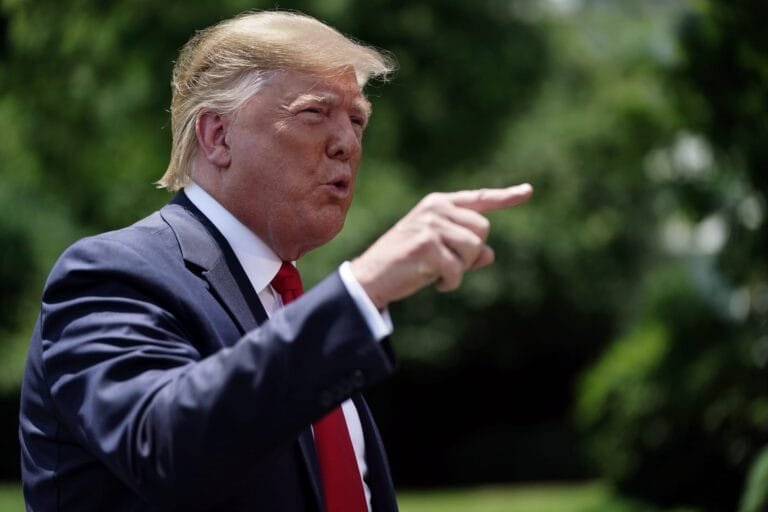
Ankara, Turkey – In strongly worded statements from the Turkish capital, Ankara, ahead of the start of the NATO summit, US President Donald Trump announced today, Wednesday, July 8, 2026, that the “memorandum of understanding” signed with Iran to end the conflict has “ended.” He stressed his categorical rejection of any new discussions with Tehran.
Trump used harsh language to describe Iranian officials, calling them “evil and deceitful” and “a bunch of scum.” He also stated that the United States had “wasted a lot of time” with them. He accused Iranian officials of targeting him personally, asserting that he had been at the top of their lists for years. He further described them as “incompetent.”
US “punitive” strikes
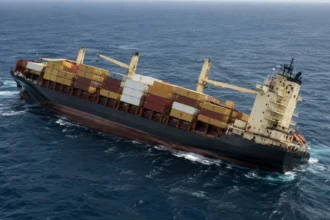
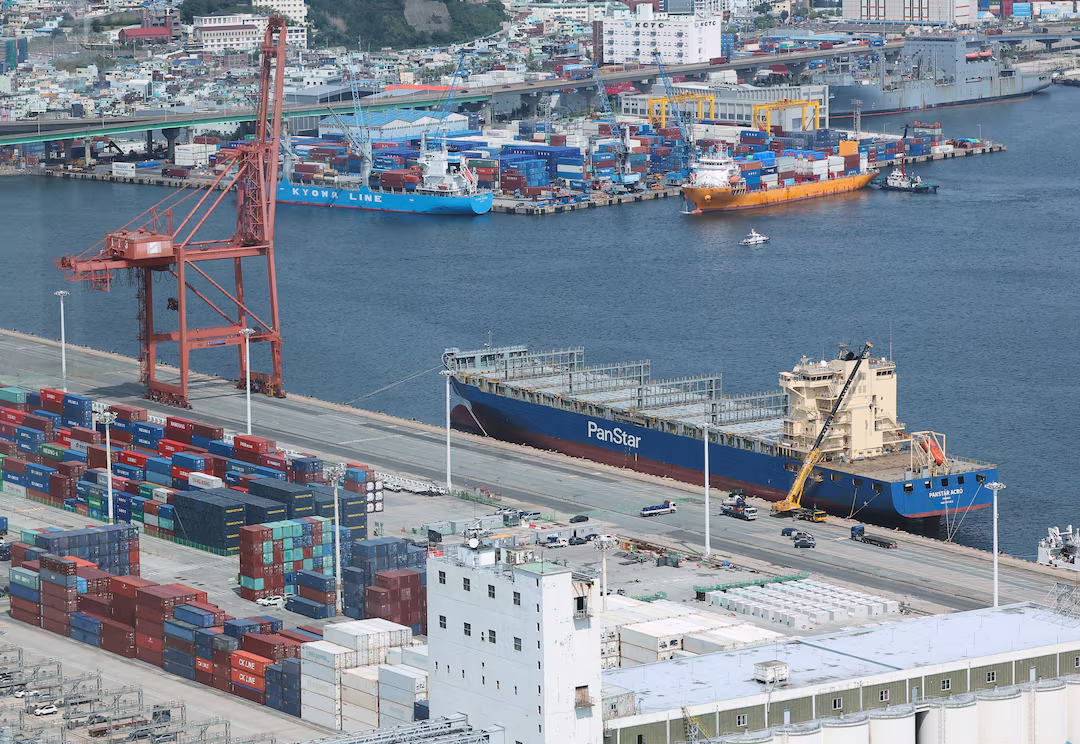
In conjunction with this political escalation, the US Central Command (CENTCOM) announced the completion of an intensive round of military strikes against Iranian targets. The strikes were described as an “immediate and direct response” to Tehran’s recent attacks on commercial vessels in the Strait of Hormuz.
The strikes, carried out with precision munitions, targeted more than 80 critical sites, including air defense systems, command and control networks, and coastal radar sites. In addition, more than 60 Islamic Revolutionary Guard Corps (IRGC) fast attack craft were destroyed. US officials asserted that these operations were aimed at neutralizing Iran’s ability to threaten international shipping. They considered this a reversal of all previous concessions granted to Tehran.
Economic sanctions and military escalation
On the economic front, the US administration announced the suspension of Iran’s ability to legally sell oil. This effectively nullified one of the key benefits of the previous peace agreement, leading to an immediate surge of more than 5% in Brent crude prices.
On the ground, loud explosions were heard in southern Iran, particularly in Bandar Abbas, Sirik, and Qeshm Island.
While the US Navy remains on high alert and ready to impose a naval blockade, the international community faces a new geopolitical reality characterized by the complete collapse of the diplomatic track. This comes amid fears that the region could slide into open conflict that transcends the current naval skirmishes.