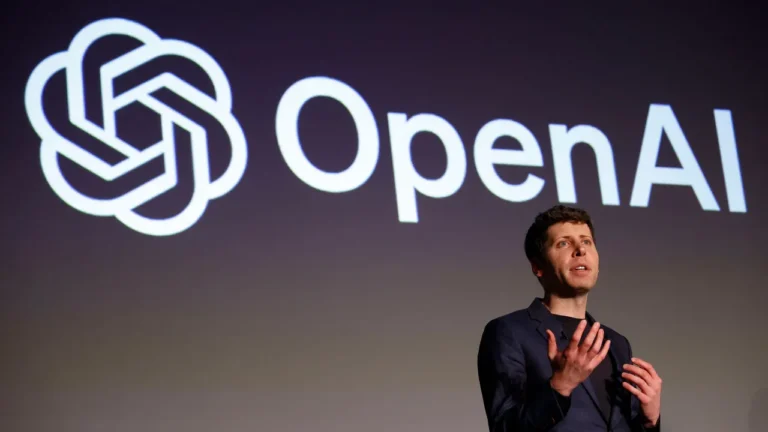
Washington, DC – OpenAI is preparing to publicly launch its most advanced and powerful AI model, GPT-5.6, on Thursday. This comes after the company postponed its release last month at the request of the US government, citing national security concerns and the potential for misuse of advanced artificial intelligence systems.
Green light from Washington
This release comes after the US Department of Commerce approved the widespread availability of the model, following additional government testing under Washington’s new regulatory framework for cutting-edge artificial intelligence. It also follows the US government’s lifting of restrictions on Anthropic’s models, specifically “Fable” and “Mythos,” less than three weeks after suspending access to them.
New model series
OpenAI announced via its “X” platform late Tuesday its plans to roll out a range of new models:
GPT-5.6 Sol: This is the company’s most advanced model to date.
Terra: A mid-level model that focuses on cost efficiency.
Luna: The most cost-effective option in the group.
The company initially restricted access to the new model to a small group of vetted partners. Their details were also shared with the relevant authorities.
Scrutiny of artificial intelligence models
Washington is intensifying its scrutiny of artificial intelligence releases to identify potential threats, particularly amid concerns that these technologies could be exploited by intelligence agencies or militaries in countries like China and Russia. This scrutiny is based on an executive order signed by US President Donald Trump. The order establishes a voluntary framework for AI developers to submit “covered boundary models” for government review for up to 30 days before release.
Conversely, technical risks remain, with Anthropic warning that it is “likely impossible” to make any AI model completely immune to hacking. The company also pointed to the possibility of developing comprehensive hacking techniques that could trigger a whole range of malicious behaviors.