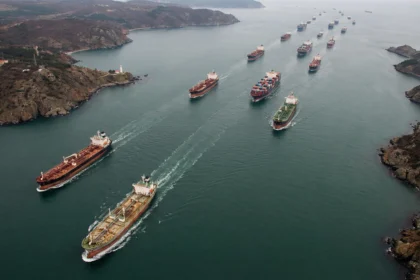
Washington, USA – The decision to freeze Japanese assets in the United States in 1941 marked a decisive historical turning point. Consequently, these economic sanctions were among the most prominent factors contributing to escalating tensions between Washington and Tokyo before the outbreak of World War II. Moreover, the administration of President Franklin Roosevelt enacted these stringent measures in response to Japanese military expansion in China and Southeast Asia. As a result, Japan found itself trapped by severe trade restrictions, especially regarding oil exports and strategic materials essential for sustaining its military operations.
The Oil Embargo as an Existential Threat to Tokyo’s Ambitions
The economic sanctions presented the Japanese leadership with existential economic and military challenges. Accordingly, Tokyo viewed the cut-off of oil supplies as a direct threat to its ability to continue its regional expansions. In addition, all diplomatic attempts to reach a settlement between the two sides failed during that tense period. Conversely, this stalemate pushed Japan to seek alternative options to secure its strategic interests in the Pacific region. Thus, the Japanese shift toward the military option began to materialize as a final resort to escape suffocating economic pressures.
vFrom Economic Pressure to the Pearl Harbor Attack
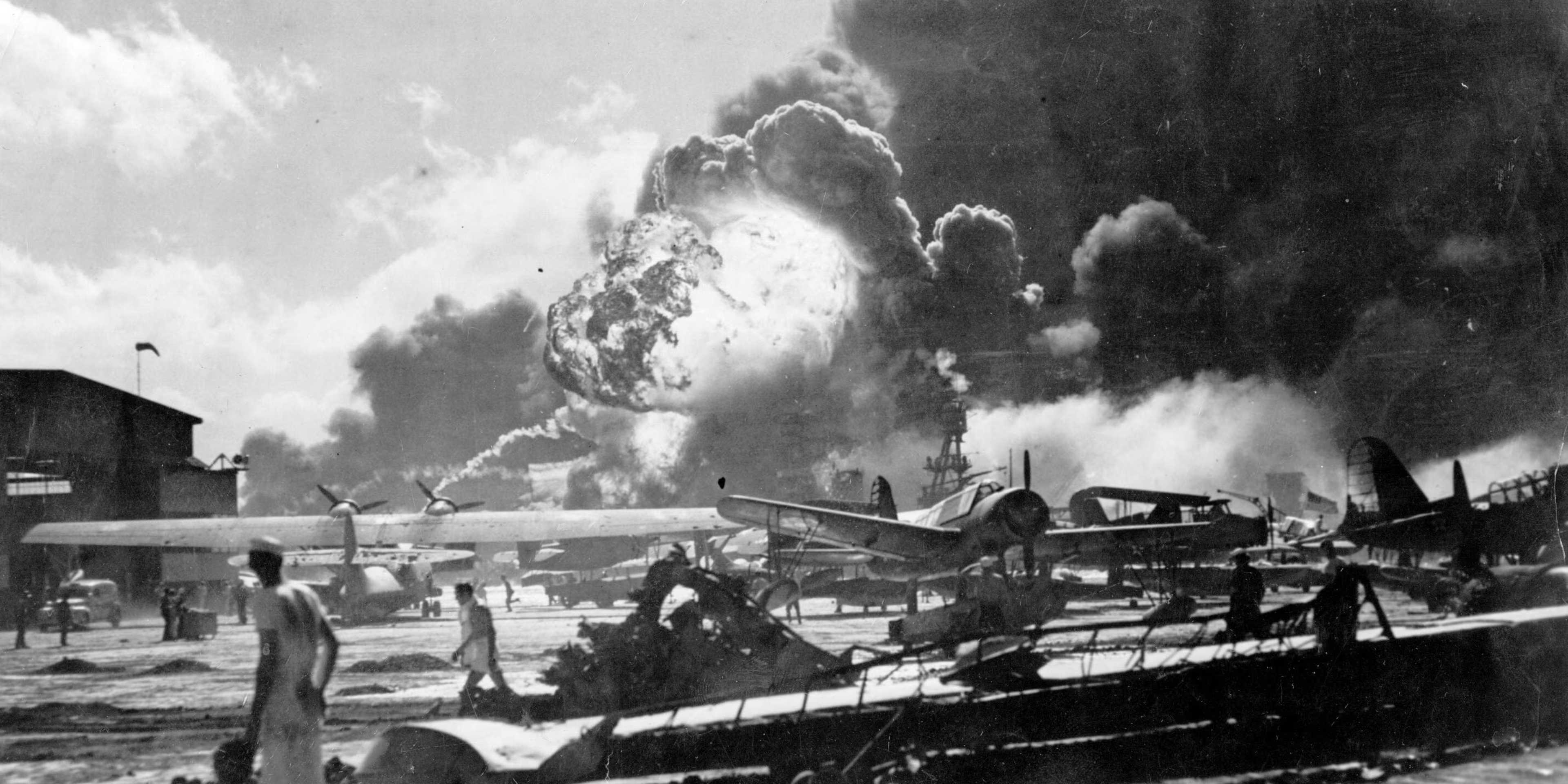
On December 7, 1941, Japan launched a surprise attack on the Pearl Harbor base in Hawaii. Consequently, this step led to heavy losses for the US fleet and the official entry of the United States into World War II. On the other hand, historians argue that the decision to impose economic sanctions was not the sole cause of the attack, but it was a pivotal station that drove relations to the point of no return. Ultimately, this path radically changed global history during the 20th century. Accordingly, this era remains a vivid example of how commercial pressures can transform into comprehensive armed conflicts.