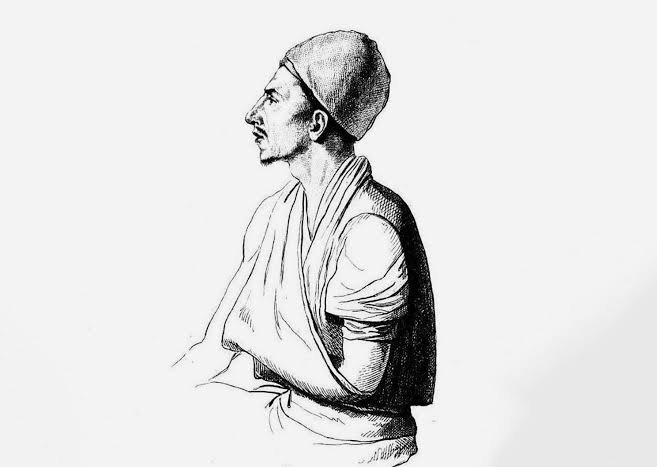
Paris, France – Historical circles frequently revisit the story of Suleiman Al-Halabi, the young Syrian who assassinated French commander Kléber in Egypt at the dawn of the 19th century. Consequently, this incident remains one of the most prominent chapters of resistance against foreign occupation. Moreover, the assassination of Kléber in Cairo in 1800 led to a swift military trial ending in the execution of Suleiman Al-Halabi. As a result, French authorities at the time severed the head of Al-Halabi and preserved his skull for anthropological research purposes. Thus, the skull began a journey that later turned into a controversial issue still present today.
The Skull’s Journey to Paris and Ethical Controversy
The skull of Suleiman Al-Halabi remained for many years within the Musee de l’Homme in Paris, France. Accordingly, numerous Arab and human rights circles have repeatedly demanded the recovery of the remains to be buried in a manner befitting the dignity of the deceased. In addition, many argue that retaining such artifacts raises profound ethical and legal questions regarding the rights of the dead. Conversely, some researchers argue that the presence of these remains in museums documents an aspect of European colonial practices. Therefore, this file remains thorny, caught between historical documentation and human considerations.
A Historical Legacy Beyond Two Centuries
After more than two centuries, the story of Suleiman Al-Halabi remains engraved in both Arab and French memory. On the other hand, this incident is considered a symbol of an era filled with events that left a deep impact on the region’s modern history. Consequently, the skull case transcends being just an artifact, becoming a symbol for the debate over heritage restitution and the dignity of historical figures. Ultimately, calls continue to end this controversy definitively. Accordingly, the persistence of this debate underscores the importance of ethical review for historical artifacts in global museums.