Cyprus, Greece – EU foreign ministers are preparing to hold a high-level meeting in Cyprus next week, aiming to open new and direct diplomatic channels with Moscow. The ministers will also discuss extensively the merits of potential candidates to assume the role of the bloc’s chief negotiator and mediator with Russia. This move reflects the continent’s desire to shape its own regional security future.
Draghi and Merkel are the leading candidates to lead the talks.
The Financial Times, citing informed diplomatic sources, reported that European discussions are currently focused on prominent figures with significant political and historical weight.
At the top of the list of potential candidates are former Italian Prime Minister and former European Central Bank President Mario Draghi. Former German Chancellor Angela Merkel has also been mentioned, given their extensive experience in managing complex international crises.
The newspaper confirmed that “foreign ministers will discuss the merits of potential candidates at the EU meeting in Cyprus.” The meeting aims to reach a consensus that ensures a unified and strong European voice to the Kremlin. This comes especially after Berlin’s mixed and unexpected reactions to previous political initiatives. Furthermore, the nature of Germany’s recent response to Russian proposals highlights this point.
Green light from Washington and a Ukrainian desire for a “strong leader”
In the same vein, sources told the newspaper that the administration of US President Donald Trump has officially informed European leaders that it does not object to the European Union initiating parallel negotiations and diplomatic channels with Moscow. This notification coincides with the direct Russian-American dialogue and grants Brussels greater strategic room for maneuver.
For his part, a high-ranking Ukrainian official, speaking on condition of anonymity, told the newspaper that President Volodymyr Zelenskyy strongly desires that this sensitive post be filled by “a figure like Draghi” or “a strong leader with real international influence.”
The Kyiv leader is expected to discuss this crucial issue with the leaders of France, Germany, and Britain during a series of meetings scheduled for later this week to build a cohesive coalition.
Red lines and demands of post-war Europe
The Cyprus meetings will not be limited to selecting a mediator; they will also address specific European “demands” regarding the future of post-war relations with Russia. The meetings will also include outlining clear red lines for resolving the Ukrainian conflict, as well as defining strict preconditions that must be met before any formal discussions with Moscow can begin.
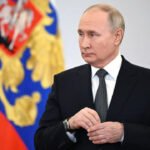
In contrast, Russian President Vladimir Putin had expressed conditional openness to the idea of mediation. When asked by journalists about a potential mediator between Moscow and Brussels, Putin expressed his personal preference for former German Chancellor Gerhard Schröder, adding that the final decision on the appointment should rest with the European Union itself.
While German government spokesman Stephan Cornelius declined to comment on the nomination of mediators, he clearly indicated the readiness of the three major EU member states to join the United States in any future comprehensive negotiations with Russia.