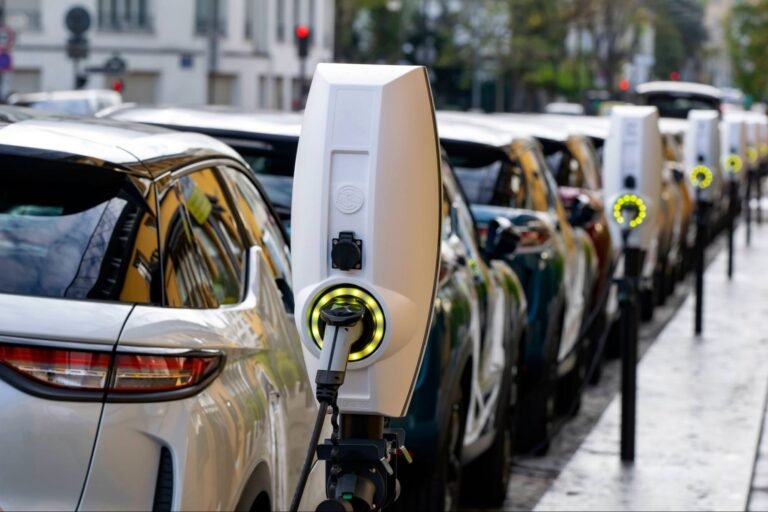
Brussels, Belgium – Electric car sales in European markets have surged to record highs in recent weeks. This surge has been fueled by soaring gasoline and diesel prices, a direct consequence of the ongoing military conflicts in the Middle East. This has breathed new life into the strategic automotive industry in Europe after a period of stagnation and decline.
Unexpected surge in new and used car sales
Recent data shared with Reuters shows that demand for electric vehicles in Europe has surged dramatically. The sharp rise in fuel prices, linked to the Iran war, has forced consumers to shift their focus. This has led to an unprecedented boom in sales of both new and used electric cars, providing a much-needed boost for manufacturers to clear their accumulated inventory.
Disappointment in 2025 and billions of dollars in asset write-down losses
Although sales of fully electric vehicles grew by nearly 30 percent across Europe in 2025, adoption rates of this environmentally friendly technology have lagged significantly behind industry ambitions and government plans. This slowdown has forced major global automakers, from Germany’s Volkswagen Group to Fiat’s Stellantis, to reassess their strategies. These companies had invested billions in production lines in anticipation of a surge in demand that never materialized. This has resulted in billions of dollars in write-offs and restructuring costs.
Oil barrel surpasses $100, changing consumer calculations
However, the calculations of buyers and consumers in Europe have been turned upside down and changed drastically recently due to the sharp rise in global oil prices, which surpassed $100 a barrel for the first time in a long while.
This meteoric rise came after the US and Israeli airstrikes on Iran at the end of February triggered a wider regional conflict. This, in turn, caused unprecedented disruption to global energy supplies and vital supply chains.
Escaping gasoline bills accelerates the shift towards clean energy.
Energy and automotive experts believe that the ongoing geopolitical crisis in the Middle East will accelerate the shift towards clean energy in Europe. Electric vehicles are no longer merely a luxury or environmentally friendly option, but have become an essential economic choice for European consumers seeking to escape the exorbitant costs of traditional fuel stations. This could reshape the global transportation landscape more rapidly than previously anticipated.