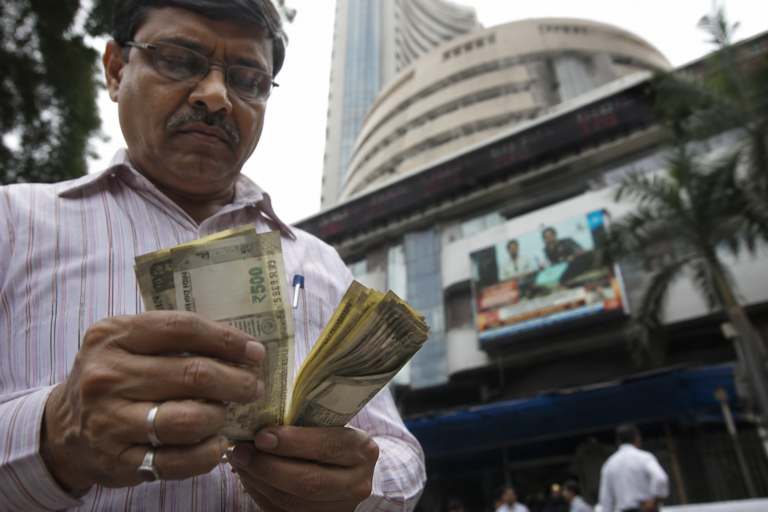
New Delhi, India – The Indian rupee has plummeted to an unprecedented low, settling at its lowest level ever. This decline was driven by escalating geopolitical tensions between the United States and Iran. It also fueled growing global expectations that central banks will raise interest rates to curb soaring inflation.
The Indian currency has fallen to a record low due to regional conflict.
According to data released today, the Indian rupee fell to 96.96 against the US dollar, surpassing the previous record low of 96.6150 set in the last session.
With this latest decline, the rupee has lost approximately 6% of its value since the outbreak of armed conflict with Iran in late February. This underscores the immense economic pressures facing emerging markets due to regional instability.
Stalled peace talks fuel oil prices and inflation
Economic reports indicate that the current stalemate in peace talks between Washington and Tehran has directly led to a significant surge in global oil prices. Given India’s heavy reliance on energy imports, this surge has fueled fears of a severe global inflationary wave.
Based on these factors, investors have increasingly bet on the Federal Reserve and other central banks raising interest rates sharply. This has driven up government bond yields and put considerable pressure on local and global stock markets, resulting in widespread sell-offs.
Fears of a sharp deficit in India’s balance of payments
The combination of rising energy prices and limited foreign capital inflows, exacerbated by the attractiveness of high bond yields in developed markets, has presented the Indian economy with difficult choices. These factors have also led to a potential and significant balance of payments deficit in the current fiscal year. Analysts believe this deficit could constrain the ambitious growth plans of the world’s second most populous nation.
Risks of a “vicious cycle” and the flight of foreign capital
In theory, a weaker national currency can act as an automatic economic regulator. It increases the cost of imported goods, thereby reducing consumption, and conversely makes Indian exports cheaper and more competitive in international markets.
However, experts warn that a continued and rapid depreciation of the rupee could backfire, creating a vicious cycle that erodes economic gains. The erosion of the currency’s value destroys the returns on dollar-denominated foreign investments. This drives capital flight to safe havens abroad, further exacerbating the country’s sovereign and economic crisis.