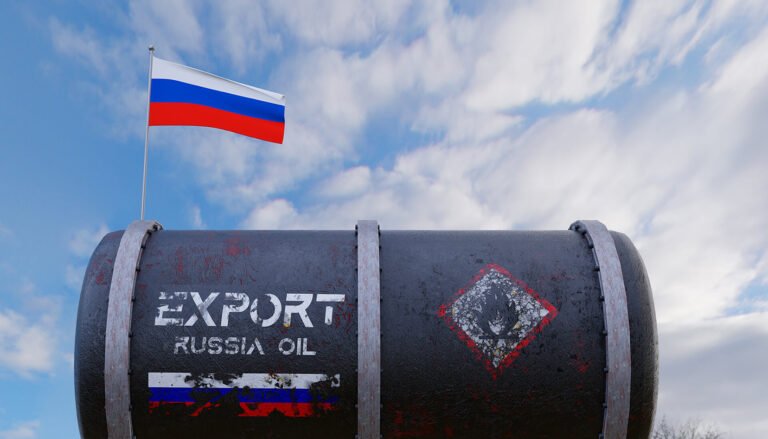
Islamabad, Pakistan – Informed diplomatic sources told Pakistan’s Dawn newspaper that Pakistan is among the developing countries that could directly benefit from a new temporary license issued by the US administration. This license allows a select number of energy-importing countries to purchase stranded Russian crude oil. The move aims to restructure the global energy market, which has been impacted by geopolitical crises.
Urgent US move to ease global energy pressures
The United States, through its Treasury Department, issued an exceptional general license for a period of only 30 days. This decision was made to alleviate the growing and urgent pressure on global crude oil supplies. It also aims to provide assistance to countries most affected by the risks of energy supply shortages and soaring fuel prices.
Diplomatic sources explained that this exceptional arrangement could apply legally and economically to Pakistan. However, they also issued serious warnings that Islamabad might not be able to fully or effectively benefit from this temporary US exemption due to its limited technical capabilities and weak infrastructure.
Technical obstacles prevent Islamabad from fully benefiting
The same sources indicated that Pakistan has never before imported Russian crude oil on a large commercial scale. For this reason, it clearly lacks the necessary infrastructure and equipment in its domestic refineries. It also lacks the equipment required to process and refine such Russian shipments, which have different chemical and technical characteristics than Gulf oil.
US Treasury Secretary Scott Bisent revealed the details of this decision in a social media post on Monday, confirming that his department was issuing this temporary 30-day general license “to provide an appropriate opportunity for countries most vulnerable to economic risks to temporarily obtain Russian oil shipments currently stuck at sea.”
Containing Chinese stockpiles and ensuring market stability
The US Treasury Secretary added in a detailed post on the “X” platform (formerly Twitter), explaining the dimensions of the measure: “This general license will provide additional flexibility to the global economy, and we will work hard with these beneficiary countries to grant them specific and precise licenses according to the individual needs of each country. This general license will help stabilize the actual market for crude oil and ensure that oil reaches the countries most vulnerable to the risks of energy supply shortages.”
Bessent went on to point to the unstated strategic objectives of the decision, emphasizing that this temporary license would significantly help redirect current oil supplies to countries in greatest need. This would be achieved by “limiting China’s ability to exploit the crisis and build up massive stockpiles of discounted Russian oil,” thus depriving Beijing of a major economic competitive advantage.