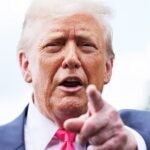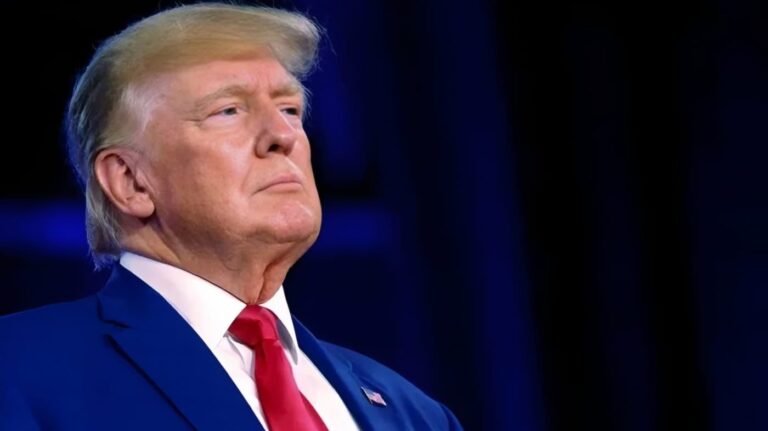
Washington, DC – Political and media reports in Washington have circulated statements and indications attributed to US President Donald Trump. These reports suggest he has put forward controversial views regarding expanding American influence in Latin America. These statements have even gone so far as to include the unprecedented idea of placing Venezuela within the direct sphere of US influence, a scenario described by observers as more akin to “geopolitical pressure” than a realistic proposition.
These statements come at a time of escalating tensions between Washington and Caracas, particularly given the continued stringent US sanctions on Venezuela’s oil sector. Oil is the lifeblood of the Venezuelan economy and a key strategic asset in the international energy equation.
Analysts believe that oil remains the most sensitive factor in this matter, given that Venezuela possesses one of the world’s largest oil reserves. This makes it a constant focus of US policy, whether through sanctions or attempts to reshape the political landscape there.
International relations experts also point out that such proposals, even if not translated into official policy, reflect a growing trend within some US circles toward redefining traditional influence in the Western Hemisphere. This comes in response to the expansion of other international powers in the region.
In contrast, the Venezuelan government has repeatedly asserted that any attempts at pressure or interference constitute a violation of national sovereignty. It emphasizes that the country’s resources, primarily oil, are “not subject to negotiation or external control.”
The issue remains open to further political and economic tension. Moreover, the intertwining of oil interests with broader strategic calculations between Washington and Caracas continues.