Tel Aviv – Israeli warplanes launched an unprecedented wave of intense aerial attacks against the southern border towns. The military spokesperson officially announced the commencement of the destruction Hezbollah sites Lebanon campaign via focused airstrikes. The synchronized bombardments targeted approximately one hundred facilities belonging to the group across the Southern and Nabatieh governorates. These operations are considered the most violent within the ongoing sequence of border tensions. Tel Aviv aims through these devastating strikes to completely paralyze the group’s missile capabilities.
Details of Targeting and Destruction of Weapon Depots
The Israeli army clarified that the strikes focused precisely on the tactical combat infrastructure of the group. The monitored targets included strategic underground weapon storage facilities and ballistic missile depots. Furthermore, the raids hit secret training camps and operational launch platforms for offensive suicide drones. The military statement asserted that the attacks were executed based on highly accurate intelligence data. This movement aims directly to prevent any sudden security threat against northern settlements.
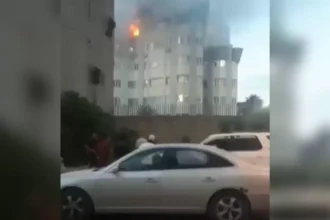
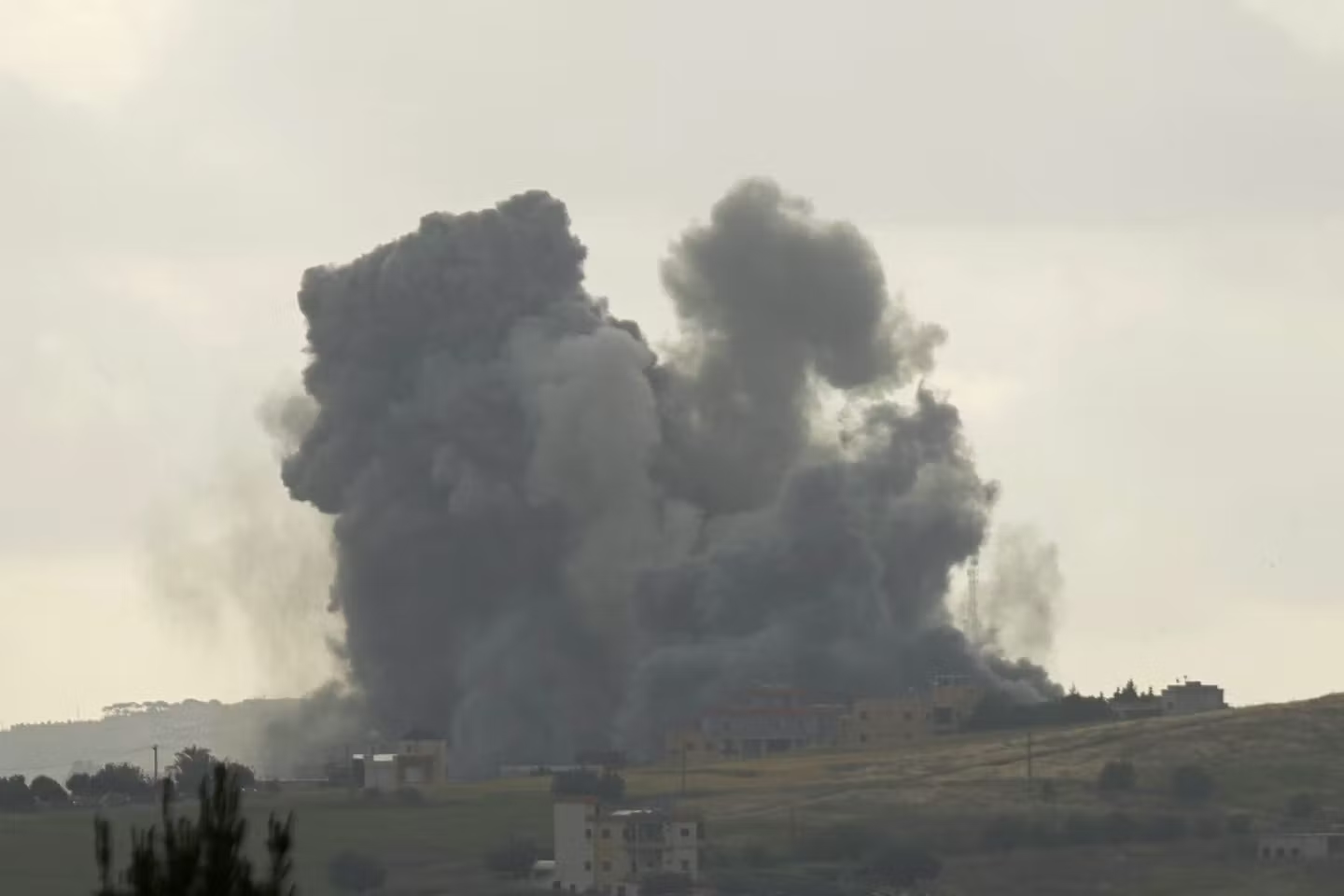
Secondary explosions resulting from the targeted bombardment caused the collapse of adjacent residential structures. Thick black smoke columns billowed high into the sky over villages in Tyre and Bint Jbeil districts. Reconnaissance aircraft sustain intensive overflights to monitor the movement of fighters on the ground regularly. Northern Command leaders within the Israeli army refuse to establish a definitive timeframe for the conclusion of this fierce aerial campaign.
Official Stances and International Calls for Calm
Lebanese authorities in Beirut have not issued any official briefing to quantify human casualties up to this hour. Government circles maintain temporary silence while rubble removal operations continue in the impacted border towns. The international community monitors the exploding field developments across the Middle East with grave concern. Diplomatic appeals from Washington and European capitals are mounting to necessitate an immediate reduction in military hostilities. Global envoys fear the collapse of truce efforts to achieve a sustainable peace accord.
Lebanese Civil Defense crews are unable to reach certain sectors due to continuous artillery shelling. Border area hospitals suffer from an influx of wounded defenseless civilians. Humanitarian organizations demand the opening of safe corridors to deliver urgent medical aid to those trapped in frontline villages.
Regional Context and Risks of All-Out War
These intensive raids fall within the context of the ongoing existential conflict between Israel and armed factions. Experts fear the transformation of these mutual strikes into a comprehensive, open regional war. The increased military activity along the border complicates the files of ongoing political negotiations. This massive escalation will reshape engagement rules between both factions during the upcoming phase. Tracking the destruction Hezbollah sites Lebanon remains the primary focus of the military conflict in the region for 2026.