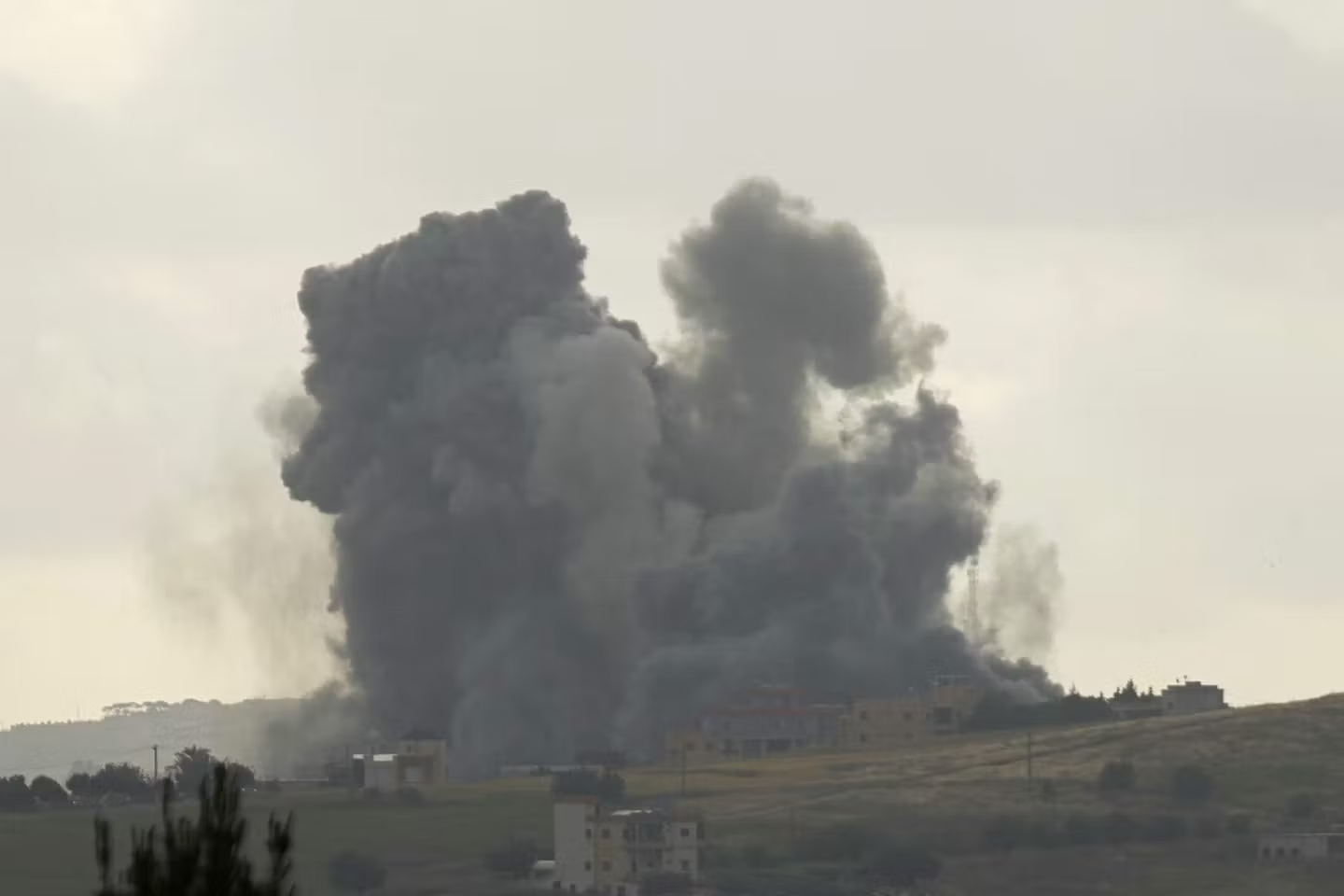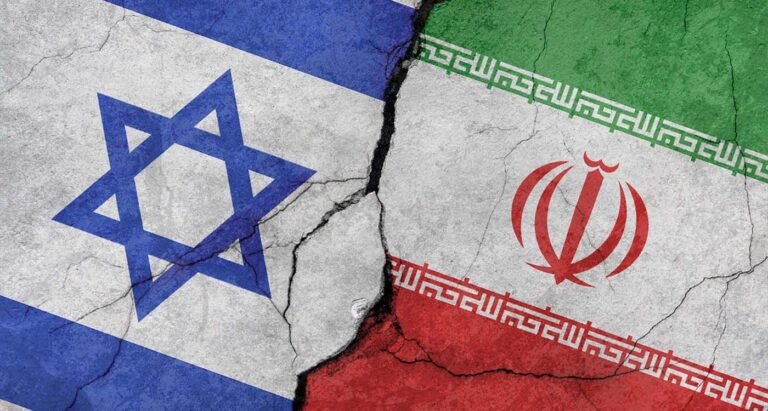
Tel Aviv – A state of high alert and intense security anticipation prevails within political circles in Tel Aviv. Military reports issued by Israel’s Channel 13 indicated the existence of genuine concerns. Projections point to the near renewal of war Iran over the upcoming few weeks. This evaluation comes amid ongoing regional tensions and escalating armed activities in the Middle East. Sovereign agencies are laying down emergency plans to deal with scenarios of intensive and coordinated missile assaults.
Intelligence Concerns and Nuclear Program Developments
Security experts indicate that Israel is monitoring field developments with extreme precision. Surveillance apparatuses focus specifically on tracking the advancement of the Iranian nuclear program. Furthermore, satellite systems monitor Revolutionary Guard movements inside Syria and Iraq continuously. Military commanders believe that any field escalation could ignite a direct confrontation. Israeli strategies include the possibility of launching sudden airstrikes against vital infrastructure.
Tel Aviv fears the increasing pace of advanced weapon smuggling across borders. Suicide drones contribute to increasing the complexity of Israeli air defense frameworks. Army chiefs demand the necessity of updating Arrow and Iron Dome missile platforms immediately. The current environment requires permanent and close coordination with the US Central Command in the region. The Israeli government refuses to offer any political concessions that might make it appear weak before Tehran.
International Diplomatic Warnings and Energy Market Crisis
Numerous international diplomatic bodies warned of the consequences of this looming collision. The escalation of tension between both sides reflects negatively on international maritime navigation security. The outbreak of conflict directly impacts the stability of global energy markets and crude oil prices. Economic reports point to the possibility of a harsh stagflation occurring across Europe. Major capitals demand the necessity of regional mediation intervention to calm conditions urgently.
European diplomacy is maneuvering behind the scenes of the UN Security Council to prevent sliding into a catastrophe. Current UN efforts lack real mechanisms binding parties to practice restraint. The Iranian side insists on the right to military retaliation against any violations touching its territories. This mutual stubbornness contributes to frustrating pacification efforts led by Arab nations.
Complex Regional Landscape and Risks of Expanded Conflict
These shocking estimates arrive at a time when the regional space is experiencing multiple disruptions. Flaring arenas of tension include Syria, Lebanon, and Yemen simultaneously. The activity of armed groups allied with Tehran is increasing along sensitive border lines. This military overlap raises the probability of an all-out, destructive regional war breaking out. The international community fails to impose binding political resolutions to end the current state of polarization. Monitoring the renewal of war Iran remains the most hazardous event on the international stage in 2026.