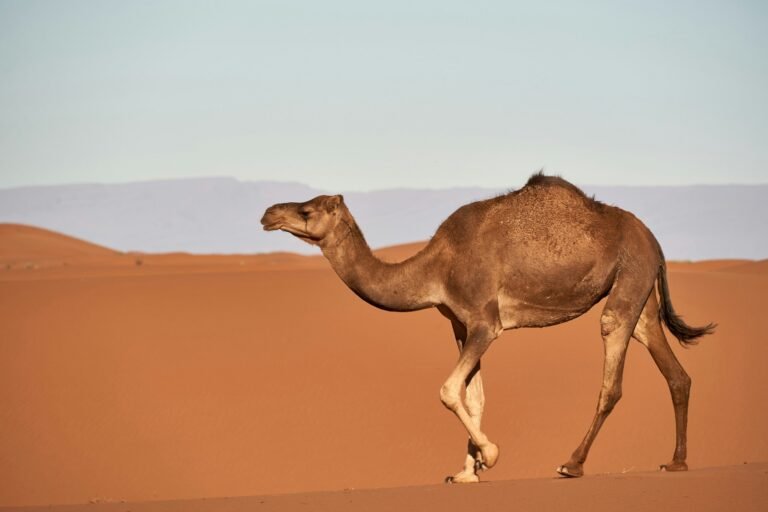
Beijing, China – A circulating video has ignited a massive wave of anger across Chinese social media platforms, documenting a painful scene of a camel appearing in a state of extreme exhaustion during a tourist trip. The video showed the animal struggling to walk while carrying a tourist under high temperatures, sparking a broad societal debate about the ethics of using animals in recreational activities and fueling demands to put an end to such practices.
Signs of Stress Spark Public Discontent
The posted clip provoked the resentment of thousands of followers, who described the scene as a “clear abuse” of the animal. The video clearly captured signs of fatigue on the camel, which was walking with great difficulty amidst harsh weather conditions. This prompted digital platform users to demand an urgent investigation into the incident and to hold those responsible for this tourist activity accountable, emphasizing that entertainment cannot justify animal suffering.
Calls for Strict Animal Welfare Standards
Following the uproar caused by the video, animal welfare activists have stepped up demands for stricter standards regulating the use of animals in the tourism sector. Activists emphasized the necessity of establishing legal frameworks that oblige operators not to work animals for long hours or force them to labor under severe climatic conditions. They insisted in their demands that financial profit must not, under any circumstances, come at the expense of animals’ safety and health.
Tourism Sector Under Global Scrutiny
This incident comes amid rising global interest in animal rights, as tourism activities relying on camels, elephants, or horses face increasing criticism from international and local organizations. These organizations are calling for a radical shift in tourism practices toward more humane methods that ensure animal welfare and provide necessary healthcare and rest, far from methods of exploitation.
National Debate Over Regulatory Laws
The incident has reopened the national debate within China regarding the urgent need to strengthen and update laws regulating the use of animals in tourism activities. Public demands are currently escalating for stricter penalties for any practices involving the abuse or exploitation of animals, amid increasing pressure from public opinion to ensure a strict regulatory system that prevents the repetition of such violations in the future.