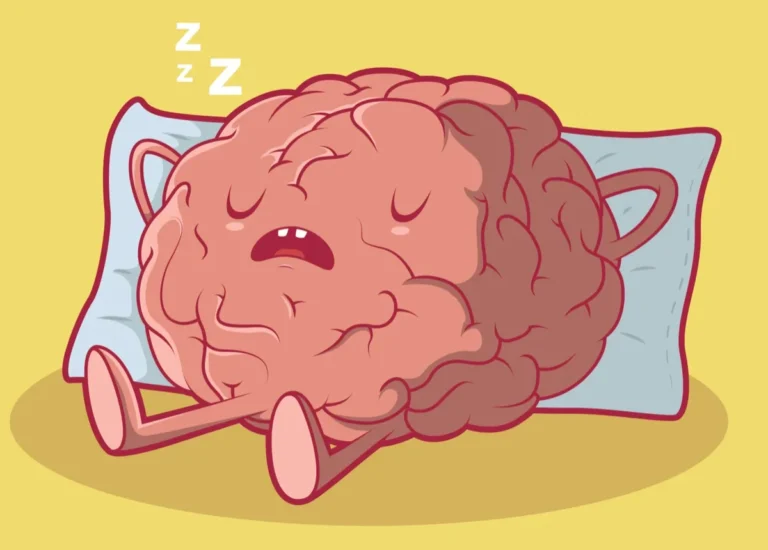
London, United Kingdom – Many people experience a sudden feeling of sleepiness moments after starting to read a book or studying a long text. This common phenomenon is explained by neuroscientists and psychologists through various factors related to how the brain functions and the surrounding environment, rather than simply meaning the person is bored.
Depletion of Mental Energy and the Impact of Fatigue
Reading is a cognitively intensive activity that consumes energy, requiring the brain to maintain continuous focus to process linguistic symbols and convert them into understandable meanings. When a person is exhausted or lacks sufficient sleep, the brain enters a state of conflict. Instead of continuing the required mental effort, the brain tends to exploit the periods of quiet and focus imposed by reading to enter a state of relaxation, which immediately manifests as a strong feeling of drowsiness.
The Role of the Environment in Lowering Alertness
Experts point out that reading often takes place in an environment ideal for sleep rather than mental work: sitting for long periods without movement, in quiet places, and with steady lighting. These factors, especially if the room temperature is warm, work to gradually lower the level of alertness. Furthermore, practicing reading shortly before bedtime reinforces the brain’s association between the act of reading and a state of rest or quiet, which accelerates the feeling of needing sleep.
The Nature of the Material and the Required Effort
The nature of the read content plays a fundamental role in this process. Academic texts or specialized books that require deep analysis consume the brain’s mental energy reserves much faster than reading light novels or interesting topics. This difference in mental effort determines how quickly the brain reaches the stage of “cognitive fatigue,” which is immediately followed by an urgent desire to stop and sleep.
Tips for Maintaining Mental Alertness
To reduce drowsiness, specialists recommend adopting a set of preventive measures, most notably ensuring sufficient sleep at night and choosing reading locations with excellent lighting. It is also advised to apply a “break routine” by taking short breaks every 20 to 30 minutes, changing seating positions, and staying hydrated by drinking water regularly, all of which help stimulate the brain to remain alert.
When Should You Consult a Specialist?
Although feeling sleepy while reading is a normal bodily response in many cases, if it occurs excessively or is accompanied by chronic fatigue during all daily activities, it may indicate underlying sleep disorders or other health problems. In such cases, experts emphasize the importance of consulting a specialist physician to ensure good health and maintain a normal level of alertness.