Learn how the United States responded to the Ebola virus threat by sending treatments and providing necessary testing.
Learn how the United States responded to the Ebola virus threat by sending treatments and providing necessary testing.
These actions are being led by the Strategic Preparedness and Response Administration (ASPR), specifically through the Biomedical Advanced Research and Development Authority (BARDA). This comes in the absence of any globally approved vaccines or treatments to combat the Bundybugyo strain. According to officials, the urgent need necessitates resorting to experimental measures to save lives and limit the spread of the virus.
Experimental drug: Hope for MBP-134
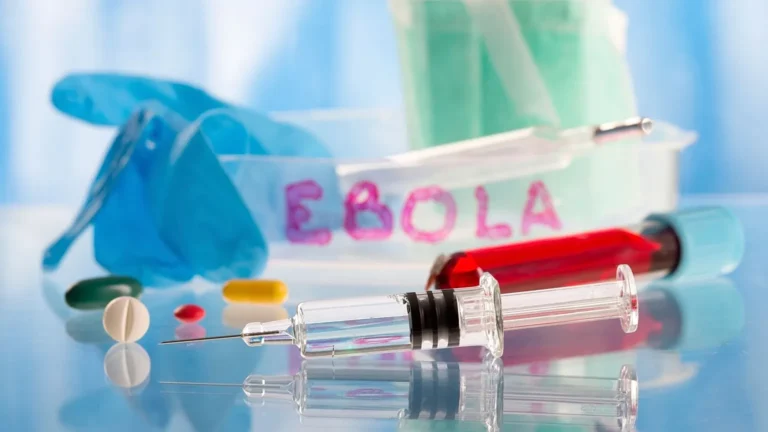
The response package includes support for the delivery of doses of MBP-134, an advanced monoclonal antibody treatment. This treatment was developed in collaboration with Mapp Biopharmaceutical. The drug is being provided under a compassionate use protocol, which allows for the administration of unapproved medications to critically ill patients. Furthermore, additional doses are being allocated to support a randomized clinical trial being conducted by the University of Oxford to assess the drug’s effectiveness in the field.
The Strategic Preparedness and Response Administration explained that preclinical studies demonstrated the drug’s “significant efficacy” against several strains of the Ebola virus. The drug also successfully completed early-stage safety trials. Health authorities hope that data from its use during the current outbreak will provide a solid scientific basis for future regulatory decisions.
Enhancing diagnostic and preventive capabilities
In parallel with providing treatment, BARDA stockpiled and transported 2,500 rapid diagnostic tests to Africa. This step is crucial for the early detection of infections, which contributes to guiding public health measures accurately and effectively on the ground.
In the longer term, the United States is intensifying its efforts to develop a vaccine specifically for the Bundybojeu strain.
The FDA has already issued a call for proposals from pharmaceutical companies. It seeks to leverage the successful technological foundation used in developing Merck’s Ervebo vaccine, the first vaccine approved in the United States against the Zaire strain.
These US actions reflect an international commitment to combating infectious diseases. They also underscore the importance of investing in scientific research and developing proactive medical capabilities to address epidemics before they escalate into widespread global health crises.