
Washington, DC – Recent economic estimates and US reports reveal that the total cost of the US war against Iran has exceeded $100 billion, reflecting the growing financial burden on the United States resulting from the ongoing military operations and their far-reaching economic repercussions on the US domestically and global markets.
The estimates indicate that direct military spending constitutes a portion of this enormous cost, encompassing expenses such as operating troops deployed in the region, moving aircraft carriers and strategic bombers, using advanced munitions and missiles, as well as maintenance, logistical support, and replenishing military stockpiles depleted during operations.
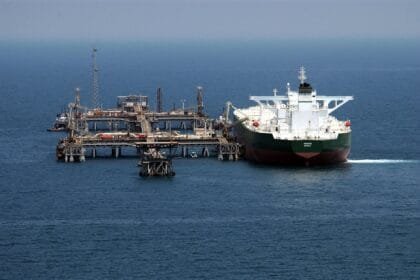
Meanwhile, the war’s effects have extended to the broader US economy, with rising energy, transportation, insurance, and shipping costs, which in turn have impacted production costs and the prices of goods and services within the United States. The tension in the Gulf region and vital shipping lanes has also contributed to increased pressure on global oil markets, leading to sharp fluctuations in crude oil and refined product prices.
Economic experts believe that the indirect losses from the war may be greater than the military expenditure itself. The resulting uncertainty has led to decreased investment in some sectors, increased inflationary pressures, and a rise in the financial burdens on American businesses and households already facing challenges related to the rising cost of living.
In recent days, voices within American political and economic circles have grown louder, calling for a reassessment of the war’s cost and objectives, especially given the continued need for additional funding to support military operations and maintain the readiness of US forces deployed in the Middle East.
Analysts warn that a prolonged conflict could drive the cost of war to much higher levels, especially if the conflict expands or global trade is further disrupted. Observers also anticipate that this will negatively impact global economic growth rates, given the close interdependence between energy markets and international trade.
Experts emphasize that the war’s cost exceeding $100 billion underscores the exorbitant economic price of modern military conflicts, not only for the countries involved but also for the entire global economy, which is facing increasing challenges due to escalating geopolitical tensions in several regions of the world.