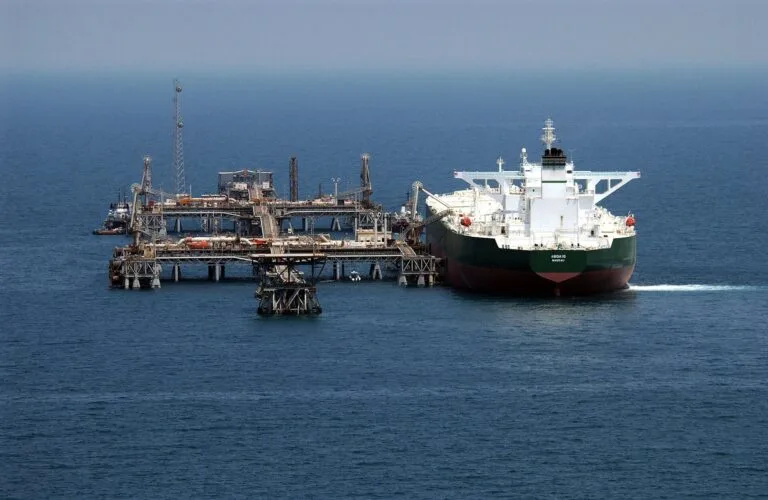
London, United Kingdom – Maritime tracking data showed Monday that two crude oil tankers loaded with Saudi crude reversed course in the Red Sea and headed north toward the Suez Canal. This action underscores the ongoing impact of regional security tensions on critical maritime transit corridors.
Maritime Rerouting Amid Security Risks
According to vessel-tracking data reported by Reuters, the two laden Saudi crude tankers altered their course while navigating the Red Sea. They turned back north toward the Suez Canal. However, the tracking sources did not immediately disclose specific operational reasons for the maneuver. Nor did they disclose the final destination of the cargoes.
The move comes as shipping companies and tanker operators continuously reassess routing strategies and operational risks in response to military escalations across regional waterways. Therefore, they frequently opt for defensive rerouting to protect assets and crew.
Energy Markets Monitor Supply Chain Impact
Global energy markets and commodity traders are closely tracking tanker movements through the Red Sea and Suez Canal. This is because route diversions can affect freight rates, insurance premiums, and delivery timetables for global hydrocarbon supplies.
While official statements from Saudi maritime authorities or the operating companies regarding the decision have not yet been released, shipping analysts note that operators are prioritizing security measures. This helps them navigate evolving maritime threats.
The decision to turn back Saudi crude tankers highlights persistent security risks facing key regional waterways. As a result, operators are prompted to adopt cautious transit strategies to safeguard assets and maintain global supply stability.