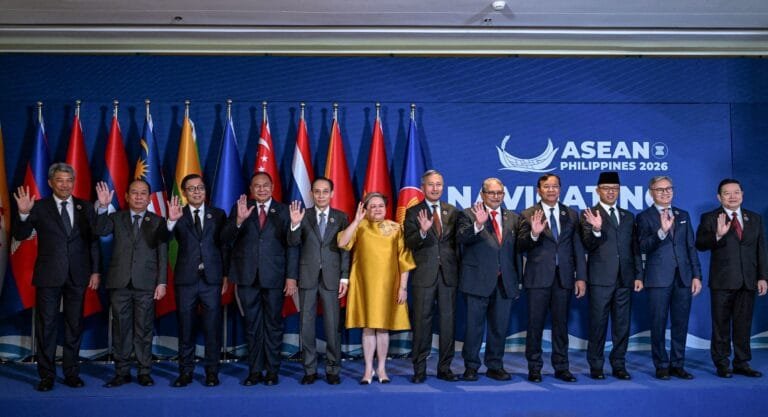
Kuala Lumpur, Malaysia – Foreign ministers from the Association of Southeast Asian Nations (ASEAN) have expressed grave concern over the renewed hostilities and escalating tensions in the Middle East, warning that prolonged conflict deepens global uncertainty and poses direct risks to international security.
Urgent Call for Restraint and Diplomatic Solutions
During their meeting in Kuala Lumpur, ASEAN foreign ministers emphasized that rapid developments in the Middle East necessitate intensified diplomatic efforts to contain the crisis. In a joint statement, the bloc urged all involved parties to exercise maximum restraint and refrain from actions that could broaden the conflict or jeopardize regional peace.
The ministers reaffirmed ASEAN’s commitment to the principles of international law and the UN Charter, emphasizing that peaceful conflict resolution, constructive dialogue, and backchannel diplomacy remain the only viable mechanisms for resolving international crises.
Concerns Over Global Economic and Regional Impacts
The ministers highlighted that ongoing military escalations in the Middle East directly impact global economic stability by threatening maritime trade, energy transit, and international supply chains dependent on vital waterways.
The joint statement noted that Southeast Asia already manages its own regional security challenges, making external geopolitical shocks an added burden on global market predictability. ASEAN called on the international community to unite in fostering peaceful resolutions and safeguarding critical maritime commerce against ongoing security disruptions.
ASEAN’s call for de-escalation underscores Southeast Asia’s recognition of the tight interplay between Middle Eastern stability and global trade resilience, where disruptions in vital maritime choke points directly endanger international economic security.