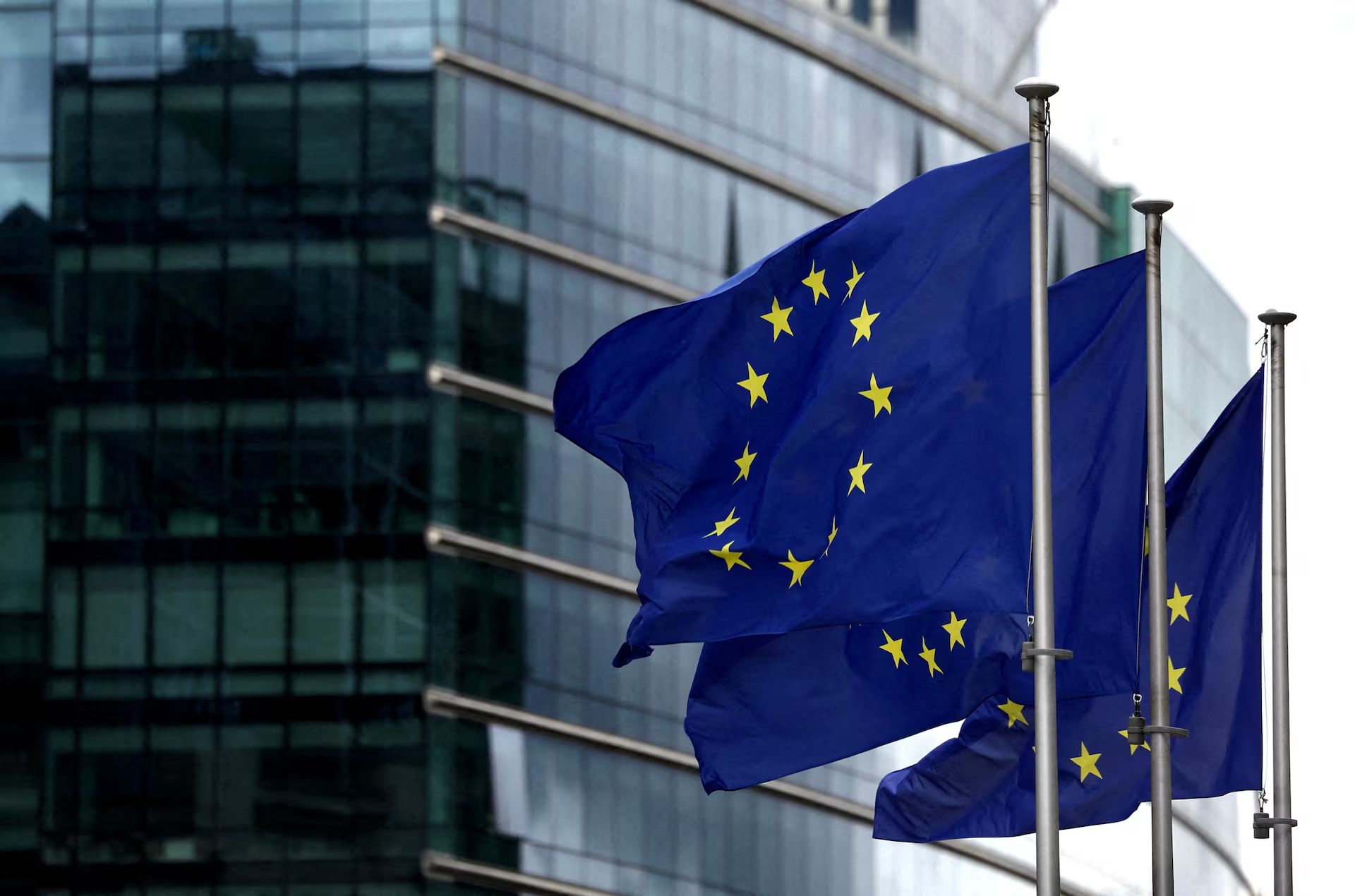
European Union ambassadors failed to reach an agreement on the proposed 21st package of economic and trade sanctions against Russia, highlighting growing internal divergences and conflicting national economic interests among member states.
Disagreements Impair Consensus on 21st Sanctions Package
Diplomatic sources reported that the meeting of EU envoys in Brussels concluded without achieving the required unanimity, leading to a postponement of the package. The stalled measures aimed to intensify financial and trade pressure on Moscow amid its ongoing military operations in Ukraine.
Deliberations faltered over contentious proposals concerning new restrictions on energy transit, maritime transport, financial services, and measures targeting Russia’s shadow fleet and liquefied natural gas (LNG) operations, with several capitals pushing for exemptions to safeguard domestic commercial sectors.
Requirement of Unanimity and Ongoing Consultations
Under EU decision-making rules, all 27 member states must grant unanimous approval for sanctions packages to take effect. The European Commission and supportive member states are expected to engage in intense bilateral talks over the coming days to bridge gaps and craft a compromise.
Analysts suggest that the current impasse illustrates rising “sanctions fatigue” and heightened concern among member nations over the spillover economic impacts of restrictive measures on European domestic markets.
The delay in adopting the 21st sanctions package underscores the challenge of maintaining EU political unity as individual member states seek to shield national economic interests from the fallout of prolonged restrictive measures.