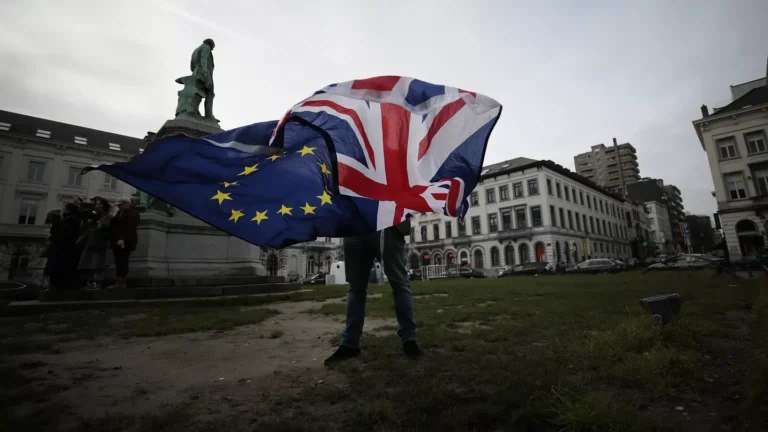
London, Britain – The Times newspaper has revealed a pivotal development in relations between London and Brussels. The European Union has informed British Prime Minister Keir Starmer that he must pay annual installments of approximately £1 billion (€1.15 billion) in exchange for access to the EU’s single market.
European negotiators explained that this “price” is not merely a one-off contribution, but a fundamental and prerequisite condition for continued access to the single market.
According to the newspaper, the European bloc is seeking Starmer’s agreement to this condition during an upcoming summit with European leaders this summer. This would serve as the cornerstone for broader negotiations on future economic integration.
This financial pressure follows the “reset” agreement reached in May 2025, which included understandings on phytosanitary standards and a veterinary agreement that facilitated the export of British agricultural and fishery products.
However, Brussels appears to have raised its demands. After the Financial Times revealed last November that the EU wanted to compel London to contribute to its structural funds, additional demands related to the defense industry have now emerged. The Commission had previously requested between €4 billion and €6.5 billion to access the SAFE credit facility, a request that was rejected by the British leadership at the time.
The Labour government, which took power in June 2024, faces a major political dilemma; while Starmer seeks to reduce the trade friction left by Brexit since 2020, his ambitions clash with financial conditions that Conservatives and Eurosceptics see as a new “tribute” that diminishes British sovereignty.
Although the British government has not yet issued an official comment, informed sources have described the talks as being “in their early stages.”
Nevertheless, Starmer faces a difficult dilemma: will he risk providing the billion pounds to revive the struggling economy through the European market, or will he succumb to domestic pressures that oppose any return to funding Brussels’ budget? Next summer will determine the UK’s new direction in Europe.