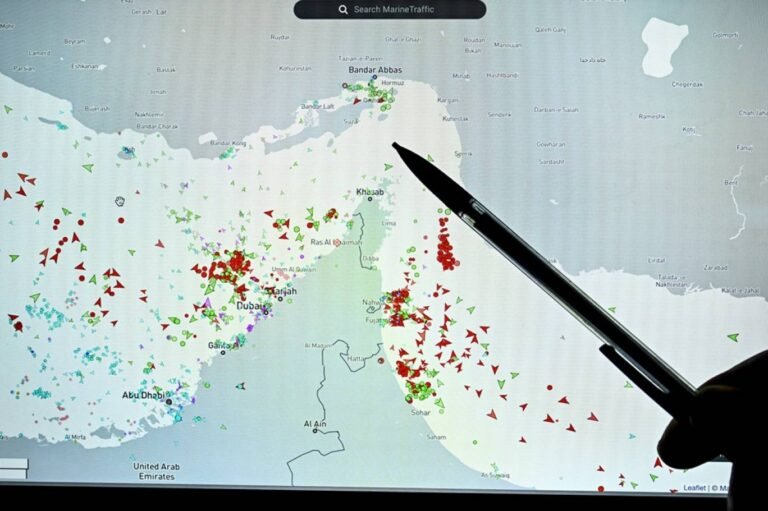
Washington, DC – The United States is pursuing what is known as “Project Freedom” to secure navigation in the Strait of Hormuz, one of the world’s most important maritime chokepoints. This comes amid escalating Iranian threats and ongoing regional tensions that threaten global trade and energy supplies.
According to US officials, the project relies on bolstering the naval presence in the region by deploying additional warships. It will also involve intensifying joint patrols with Washington’s allies, along with the use of advanced surveillance and reconnaissance technologies. The aim is to ensure a swift response to any potential threats to commercial vessels.
The plan also includes the establishment of an international coordination mechanism comprising Western and regional states, aimed at securing vital shipping lanes and ensuring freedom of navigation. These plans focus on protecting the oil tankers that pass daily through the Strait, a crucial artery for the global economy.
Meanwhile, Iran continues to warn against any US military movements in the region. Iran believes that the presence of additional foreign forces could lead to an uncontrolled escalation. Tehran also asserts its ability to respond to any threats to its sovereignty or interests in the Gulf.
Analysts believe the success of the American project hinges on Washington’s ability to strike a delicate balance between military deterrence and avoiding a direct confrontation. The sensitivity of the region and the complex web of international interests within it further underscore the importance of these plans.
This comes at a time of escalating tensions in the Strait of Hormuz, with repeated incidents of attacks on and seizures of ships. This raises the risk of disruptions to energy supplies and compels major powers to seek more effective mechanisms to ensure the security of international navigation.