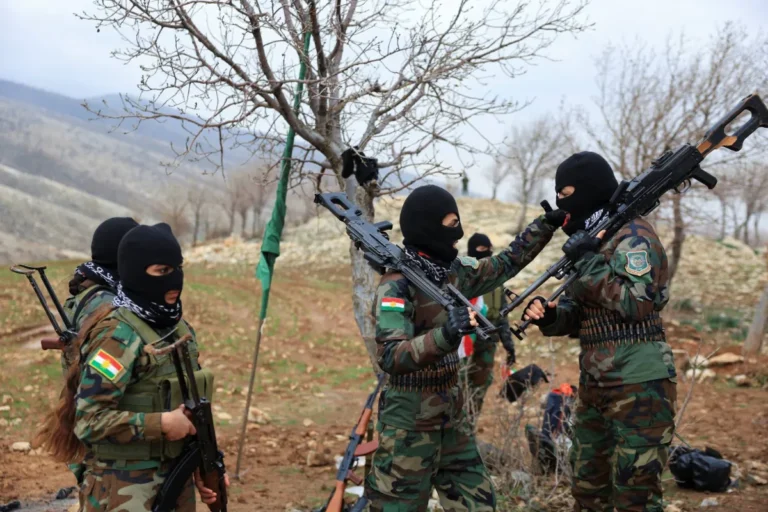
Erbil, Iraqi Kurdistan – Multiple media outlets reported on Tuesday that facilities belonging to Iranian Kurdish opposition groups in eastern Erbil, the capital of the Kurdistan Region in northern Iraq, were targeted by a heavy missile attack. The Iranian news agency Fars, citing Iraqi sources, confirmed multiple explosions early Tuesday morning. These explosions targeted headquarters and gatherings of these armed factions. Reuters also confirmed a missile attack targeting Iranian Kurdish opposition facilities, without providing further details at this time.
Iran continues its escalation against the opposition.
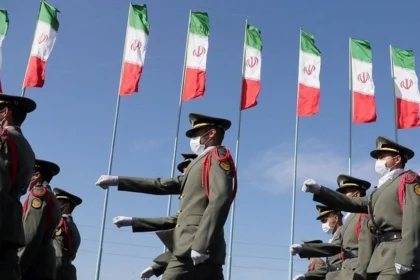
This attack comes within the framework of an escalating Iranian policy targeting Kurdish opposition groups based in Iraqi Kurdistan. The Iranian Revolutionary Guard has long threatened to “crush” these groups, claiming they threaten Iranian territorial integrity. Simultaneously, this military escalation coincided with legal actions. Iranian state media reported that Tehran has submitted formal requests to Interpol for red notices against the leaders of seven Kurdish opposition parties and factions. Among them are the Kurdistan Democratic Party of Iran (KDPI) and the Komala Party. This follows the assassination of Soran Mohammad Zadeh, a member of the Kurdistan Freedom Party (PAK), in Erbil earlier this month.
Diplomatic pressure and the security agreement
Politically, Tehran is exerting intense pressure on the central government in Baghdad to expedite the implementation of the security agreement signed in March 2023. This agreement obligates Iraq to disarm these groups along the border. The complexities of this issue lie in the administrative overlap between Baghdad and the autonomous Kurdistan Regional Government. This overlap makes implementing the agreement a persistent challenge, and intensive consultations are underway between the two sides.
Fears of a collapse of the truce
Observers link these developments on the ground to the uncertainty surrounding the regional and international landscape. With the August 18 deadline for a final agreement between the United States and Iran fast approaching, concerns are growing about a resumption of direct confrontation.
Although the Trump administration is currently committed to the diplomatic track, media reports, including those from the Wall Street Journal, indicate that the option of returning to all-out war remains on the table should a settlement prove impossible. In this context, these strikes are seen as an indication of the fragility of the current understandings, especially given the limited exchange of strikes between Washington and Tehran last June. This leaves the region facing a range of possible scenarios in the coming weeks.